Chicken Gloria Recipe: Creamy One-Pan Skillet Dinner
This guide walks you through making a chicken Gloria recipe from scratch a creamy, mushroom-forward skillet dinner built on seared bone-in chicken thighs, browned cremini mushrooms, and a pan sauce enriched with cream and finished with acid in roughly 45 to 55 minutes with one pan and minimal cleanup. No condensed soup. No casserole dish.
The scratch skillet approach is what makes this dish repeatable. It teaches a four-step formula sear, build fond, reduce, enrich and brighten that transfers to dozens of other weeknight dinners once it feels automatic.
Default recipe at a glance: 4 bone-in, skin-on chicken thighs. Serves 4.
What is chicken Gloria, exactly?
Video of the Day
Chicken Gloria is a cream-sauced skillet dish built around mushrooms and braised chicken. The original version was a casserole: baked chicken topped with mushrooms, sherry, and melted cheese comfort food in the church-supper tradition. That version still circulates, and it's fine for what it is.
This guide teaches something different. The scratch skillet approach keeps the same flavor logic mushrooms, cream, a little acid to balance the richness but builds it on a proper pan sauce rather than canned soup and a baking dish. The result is lighter, more nuanced, and considerably more useful as a technique you'll actually repeat.
Bone-in, skin-on thighs are the default for a specific reason: they survive the braise. Boneless breasts tend to tighten up and dry out during the 15 to 18 minute simmer that finishes the dish; thighs don't. The bone also contributes a small amount of gelatin to the sauce as it cooks, which thickens things slightly even before the cream goes in.
"Easy" here means low-complexity and one-pan, not necessarily fast. Comparable skillet chicken recipes from tested sources run anywhere from 45 minutes to over two hours: NYT's seared chicken thighs with cherry tomatoes and olives comes in at 45 minutes total (NYT Cooking, summer 2024), while their one-pot creamy chicken and noodles takes closer to two hours (NYT Cooking, early 2024). Chicken Gloria sits at the faster end of that range. Plan for 55 minutes the first time through.
Video of the Day
What makes the method matter
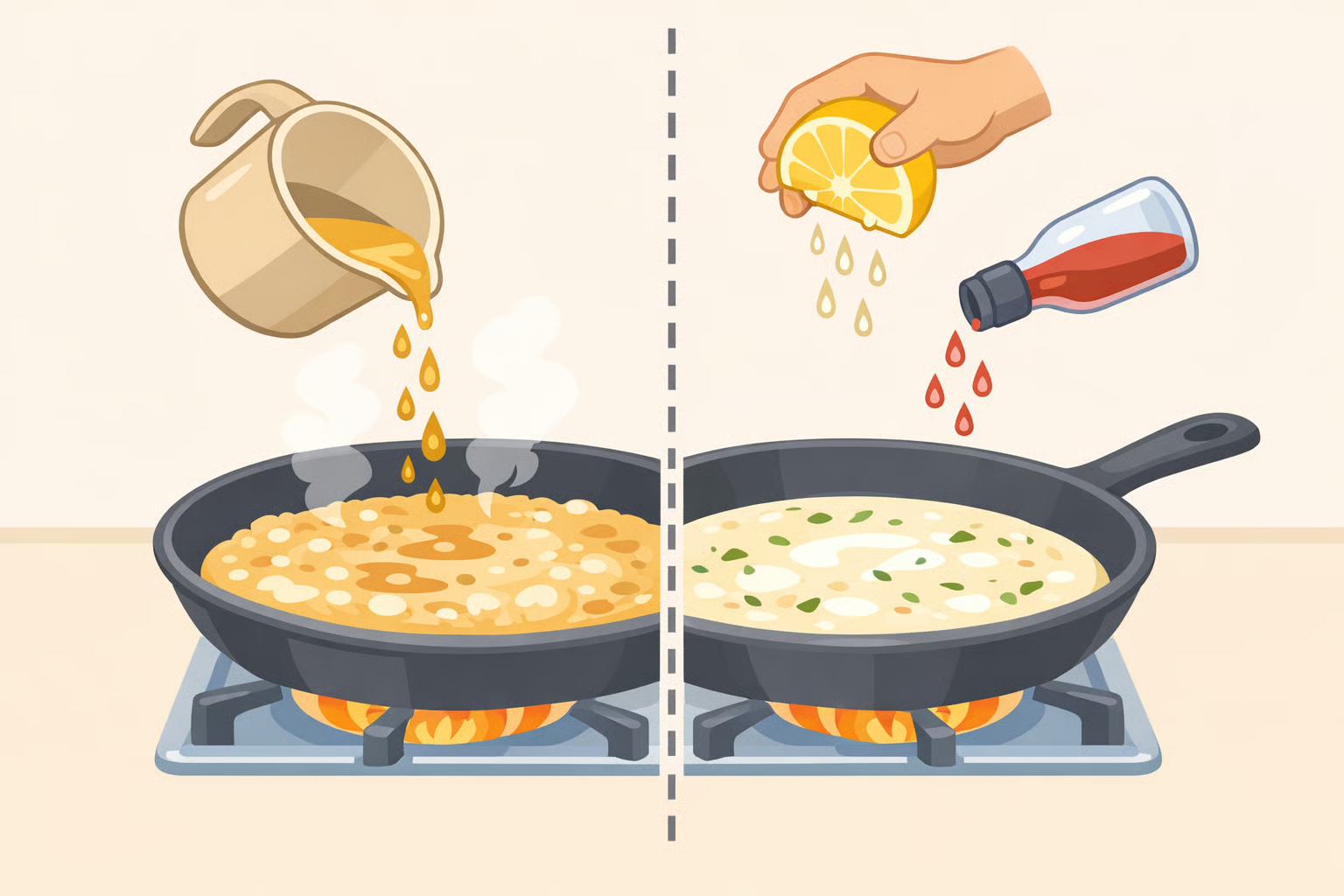
Chicken Gloria is not chicken Marsala. It's not cacciatore. Its defining character is a cream-enriched pan sauce where the richness is balanced by acid rather than dominated by wine. That balance keeps the dish from feeling heavy and makes it easier to cook on repeat.
The sear-then-simmer structure is what distinguishes Gloria from baked mushroom chicken. The chicken builds a deep crust in a hot pan, comes out while the mushrooms and sauce develop in the same fond-coated pan, then goes back in only at the end to finish. The fond matters, the reduction matters, and each stage builds on the last.
Two technique points that separate a good Gloria from a mediocre one:
- Creaminess in the sauce comes from structure, not volume. Reduction and emulsification do the work; you don't need much cream at all. NYT's one-pot creamy chicken and noodles gets its richness from just a few tablespoons of sour cream stirred in at the very end of a long braise, well after the broth has reduced and thickened on its own (NYT Cooking, early 2024). Reduce first, enrich second.
- Store-bought chicken stock produces thin, watery sauces because it contains almost no natural gelatin. The secret to a restaurant-quality pan sauce is gelatin the kind that comes from bones during long cooking, not from a carton. Serious Eats spells this out directly in their chicken Marsala recipe (updated early last year): store-bought broth simply has none of it. If you're using store-bought, bloom a quarter-packet of unflavored gelatin in the cold stock before it goes into the pan. It makes a visible difference.
How to make chicken Gloria: step-by-step
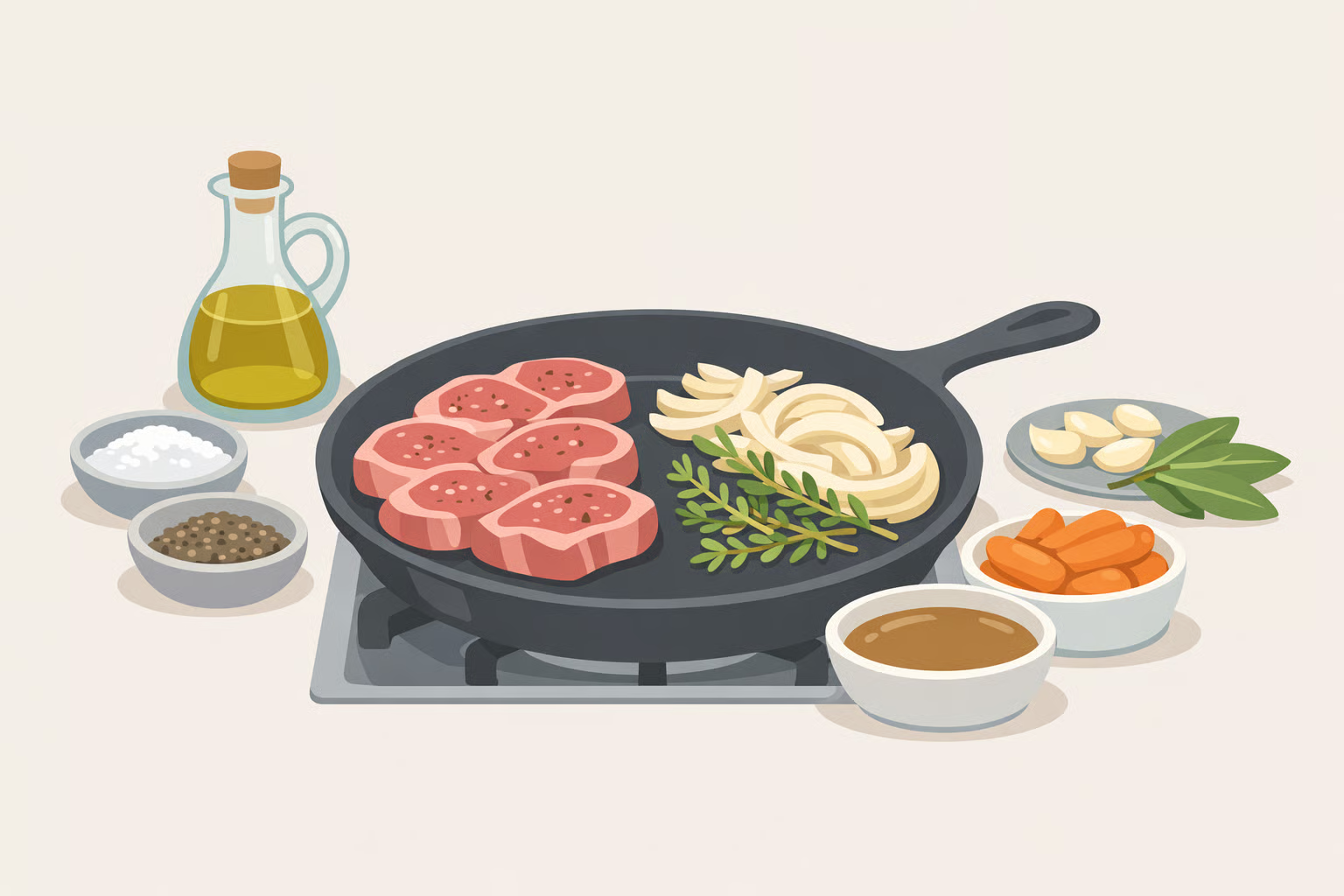
What you need: A 12-inch oven-safe skillet (cast iron or stainless preferred). Bone-in, skin-on chicken thighs (4 pieces). Cremini mushrooms (10 oz, sliced). Shallots (2, minced). Garlic (3 cloves, minced). Dry white wine or dry Marsala (½ cup). Chicken stock (¾ cup). Heavy cream (⅓ cup) or sour cream (3 tablespoons). Unsalted butter (1 tablespoon). Lemon juice or white wine vinegar to finish. Salt and pepper.
White wine vs. Marsala: White wine produces a cleaner, more neutral sauce that lets the mushrooms lead. Dry Marsala adds a faint nuttiness and slightly deeper color that suits the mushrooms equally well. Either works pick based on what's open. One firm rule: avoid "cooking Marsala," which is salted and loaded with preservatives and will make the sauce taste flat and artificial, as Serious Eats warns in their Marsala guide (updated early last year).
Heavy cream vs. sour cream: Heavy cream gives a smoother, richer sauce. Sour cream adds a slight tang that does some of the acid-balancing work for you. Both are correct. Sour cream is the better pick if richness is a concern.
Step 1 Pat the chicken dry and season it
Dry the chicken thoroughly with paper towels on all sides. Wet chicken steams instead of sears. Season generously with salt and pepper. Don't skip this.
Step 2 Sear the chicken skin-side down in a hot, oiled pan
Heat the skillet over medium-high with a thin film of neutral oil. Place the chicken skin-side down and leave it alone. The skin will stick at first, then release cleanly when the crust has formed about 7 to 9 minutes, the same window NYT Cooking specifies for seared thighs (summer 2024). Flip and cook 3 more minutes, then transfer to a plate. The chicken is not cooked through yet.
What you should see: Deep golden-brown skin with visible fond (browned bits) left in the pan. Pale tan is not enough.
Gotcha: Crowding the pan drops the temperature and steams the chicken instead of browning it. If the thighs are large, cook in two batches.
Step 3 Brown the mushrooms in the same pan
Add the sliced mushrooms to the hot pan in a single layer. Do not stir for the first 3 to 4 minutes. Mushrooms release moisture before they brown stir too early and they'll steam instead of color. Once the edges start to brown, toss and cook 2 more minutes until golden.
What you should see: Shrunken, deeply colored mushrooms with browning on the edges. Gray and wet means the heat was too low.
Gotcha: The pan may look dry after the sear. Resist adding more fat right away the mushrooms will release liquid first. A small knob of butter can go in once they've started to color.
Step 4 Add aromatics, then deglaze
Add the minced shallots and garlic to the mushrooms. Cook 2 to 3 minutes until soft and fragrant. Pour in the wine and scrape the bottom of the pan to loosen all the browned bits. That fond is the flavor base of the sauce. Let the wine reduce by half, about 2 minutes.
Step 5 Add stock and reduce to build sauce body
Pour in the stock. If using store-bought, add the bloomed gelatin now. Simmer over medium heat until the liquid has reduced by roughly half and looks slightly viscous about 5 to 6 minutes. The sauce body comes from this reduction. Do not rush it.
Step 6 Stir in cream; return the chicken to the pan
Add the cream or sour cream and stir to incorporate. The sauce should coat the back of a spoon. Nestle the seared chicken back in, skin-side up. Keep the skin above the sauce line submerging it undoes the crust from Step 2. Cover loosely and simmer on low for 15 to 18 minutes, or transfer to a 375°F oven, until the chicken reaches 165°F internal temperature.
Step 7 Finish with butter and acid
Off the heat, swirl in a tablespoon of cold butter for sheen and richness. Squeeze in lemon juice or add a small splash of white wine vinegar. Taste. Adjust salt and acid until the sauce has a forward, bright flavor. This step is not optional it's what keeps a cream sauce from tasting flat. NYT's lemony skillet chicken and brioche builds its pan sauce entirely around lemon and miso for exactly this reason (NYT Cooking, late 2023).
Troubleshooting and variations
If your sauce is too thin: You didn't reduce enough in Step 5. Remove the chicken, return the sauce to medium heat, and simmer uncovered until it thickens. Adding cream to an under-reduced sauce just dilutes it further.
If your sauce is too rich or heavy: Add more acid before adding more liquid. A second squeeze of lemon or another splash of vinegar will sharpen the flavor without thinning the texture.
If the chicken skin is soft: The skin sat submerged in sauce too long. Finish the dish uncovered in the oven for the last 5 minutes. NYT's one-pan yogurt chicken uses the same fix pulling back the foil toward the end so the chicken skin turns crisp and golden (NYT Cooking, last fall).
If the sauce broke (looks greasy and separated): The heat was too high when the cream went in, or the butter went in over active heat. Whisk a tablespoon of cold stock into the sauce over low heat to bring it back together.
Adapting week to week:
- Mushroom swap: Shiitake or a mixed wild blend adds more earthiness. Button mushrooms are mild and work fine.
- Boneless thighs or breasts: Boneless thighs are forgiving and stay moist even if timing slips. Breasts cook faster and benefit from being pounded to even thickness before searing.
- Herb variations: Thyme is the default. Tarragon suits a white-wine-and-cream version particularly well. Rosemary works for a heartier fall variation.
- Serving base: Egg noodles and mashed potatoes catch the sauce best. Rice absorbs more neutrally. Crusty bread is the simplest weeknight option. A side of sautéed greens or steamed broccolini adds contrast without requiring another pan the approach NYT's one-pan chicken describes as all the dish needs alongside (NYT Cooking, last fall).
Where the formula takes you
The four steps at the core of this recipe sear for fond, build aromatics in the same pan, reduce liquid to body, enrich and brighten at the end produce a result that tastes considerably more involved than it is. Serious Eats makes the same observation about their braised chicken cacciatore, which uses an identical sear-and-simmer sequence and tastes like it spent hours in the oven despite finishing in about 80 minutes. Chicken Gloria operates on the same principle.
Once this recipe feels automatic, the formula transfers. Swap the cream for crushed tomatoes and olives, replace the white wine with Marsala and a handful of capers, or push more lemon and miso into the butter finish and you have an entirely different dinner built on the same reliable sequence. The pan does most of the work. The technique is the repeatable part.