Hawaiian macaroni salad recipe: how to make it right
Every instinct says pull the pasta early. This recipe says keep going. That deliberate overcooking is what separates a genuine Hawaiian macaroni salad recipe from a bowl of pasta dressed in mayo. When elbow macaroni cooks past al dente until it yields completely, it becomes porous enough to absorb dressing during chilling rather than just carry it on the surface. The result is dense, creamy, and cohesive in a way that firm noodles cannot replicate a point Serious Eats documented over a decade ago and that still holds.
Published recipes disagree on pasta texture. Allrecipes calls for about 5 minutes of cooking, which produces tender noodles with a little bite. The Kitchn and Serious Eats both specify 15 minutes, running the pasta well beyond any normal standard of doneness. This guide follows the longer-cook approach because the absorption mechanics are well-documented and the texture difference after chilling is significant. Readers who prefer a firmer result can pull the pasta three to four minutes earlier; everything else stays the same.
By the end of this guide, there's a complete, tested recipe with exact quantities, step-by-step instructions, troubleshooting for the mistakes this dish reliably invites, and guidance on making it ahead.
What Hawaiian mac salad is and why its simplicity is the point
Video of the Day
Hawaiian-style macaroni salad is a plate-lunch dish. The Kitchn describes it as a plate-lunch accompaniment served alongside rice and local-style proteins two starches on one plate, which tells you something about its role. Its job is to be cool, creamy, and neutral enough to balance whatever protein is next to it.
That function explains the ingredient list. Across the recipes reviewed here, the common thread is straightforward: elbow macaroni, mayonnaise, grated carrot, onion, a touch of sweetness, salt, and pepper. Individual recipes vary slightly The Kitchn uses pickle juice and scallions; Simply Recipes keeps it to sweet onion, carrot, and milk-thinned mayo but the restraint is consistent. No seasonal vegetables, no vinaigrette, no chunks of cheese, no herbs.
The Kitchn puts it plainly: no al dente noodles here. What looks like a stripped-down recipe is actually a precise set of constraints that produce a specific result. Readers who approach this as "pasta salad with mayonnaise" tend to start adding things celery for crunch, mustard for depth. Those additions produce a different dish. Optional add-ins for potlucks are covered at the end; the base recipe is not the place to improvise.
Video of the Day
Why recipes disagree on pasta texture
The split is real, and it matters. Allrecipes cooks macaroni to tender with a slight bite, roughly 5 minutes. The Kitchn instructs cooking until very soft and past al dente, about 15 minutes. Serious Eats takes the same position and explains the mechanism: super-soft pasta absorbs liquid rather than repelling it, so the dressing permeates each tube instead of pooling at the bottom of the bowl.
Both approaches produce edible results. The difference reveals itself after chilling. Firmer pasta holds its shape but sheds liquid, so the finished texture trends toward pasta with sauce sitting on top. Softer pasta becomes saturated during refrigeration, producing the dense, cohesive creaminess most people associate with the dish at its best.
The pasta should be soft and yielding with no chew not falling apart, but offering no resistance when pressed between two fingers. That's the target.
Hawaiian macaroni salad recipe ingredients
Serves 8 to 10 as a side dish
Equipment needed: A large pot (at least 6-quart), a colander, a box grater, and one large mixing bowl. Plan for a minimum of two hours of refrigeration before serving this is not a dish that comes together at the last minute.
- 1 pound elbow macaroni The curved tubular shape used across every source recipe here. (Allrecipes, Serious Eats)
- 2 tablespoons apple cider vinegar Applied directly to warm pasta before the dressing goes in. (Allrecipes, Simply Recipes)
- 2 to 2½ cups full-fat mayonnaise, plus more for serving Allrecipes uses 2⅔ cups for a 10-serving batch; Simply Recipes uses 1 cup for 4 servings. The range here reflects both sources scaled to this yield. Use real mayonnaise not light, not aioli. Simply Recipes recommends Hellmann's or Best Foods for the most traditional flavor.
- ½ cup whole milk Thins the dressing so it flows into the pasta during chilling rather than sitting on top. Serious Eats thinned the dressing with whole milk specifically so it would seep into the macaroni as it cooled; Simply Recipes uses the same approach.
- 1 tablespoon granulated sugar Per Simply Recipes; Allrecipes uses 1½ teaspoons. Either works; the tablespoon produces a slightly more rounded sweetness.
- 1 teaspoon kosher salt, plus more to taste Per Allrecipes.
- ¼ to ½ teaspoon freshly ground black pepper Simply Recipes uses ¼ teaspoon; Allrecipes uses 1 teaspoon. Start at the lower end and adjust after chilling.
- 2 small carrots, peeled and grated Grated fine so they disappear into the salad rather than standing out as distinct pieces. (Allrecipes)
- 1 small sweet onion, finely chopped Or ⅓ cup red onion, diced, soaked in cold water for 20 minutes and drained to remove harshness. Sweet onion skips that step. (Simply Recipes, Allrecipes)
How to make Hawaiian macaroni salad: step-by-step
Step 1: Soak the onion (red onion only)
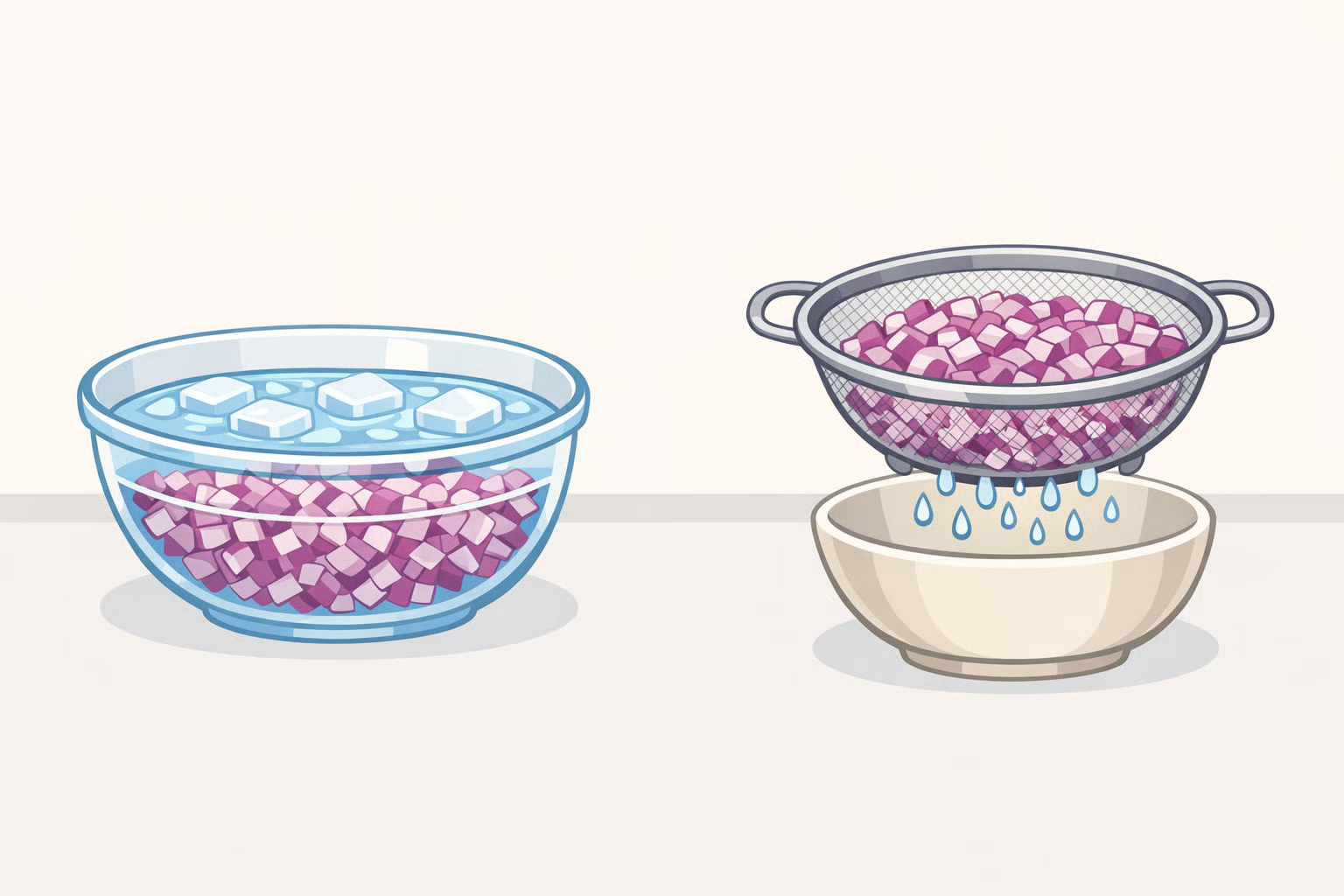
Place finely diced red onion in a small bowl and cover with cold water. Soak for 20 minutes, per Allrecipes, then drain thoroughly. This removes the sulfurous bite while keeping the texture intact. If using sweet onion, skip to Step 2.
Step 2: Whisk the dressing
In a large mixing bowl, whisk together mayonnaise, whole milk, sugar, salt, and pepper until smooth. The dressing will be noticeably thinner than mayo straight from the jar that's correct. Stir in the onion and grated carrot, then set the bowl aside.
Step 3: Cook the pasta past al dente
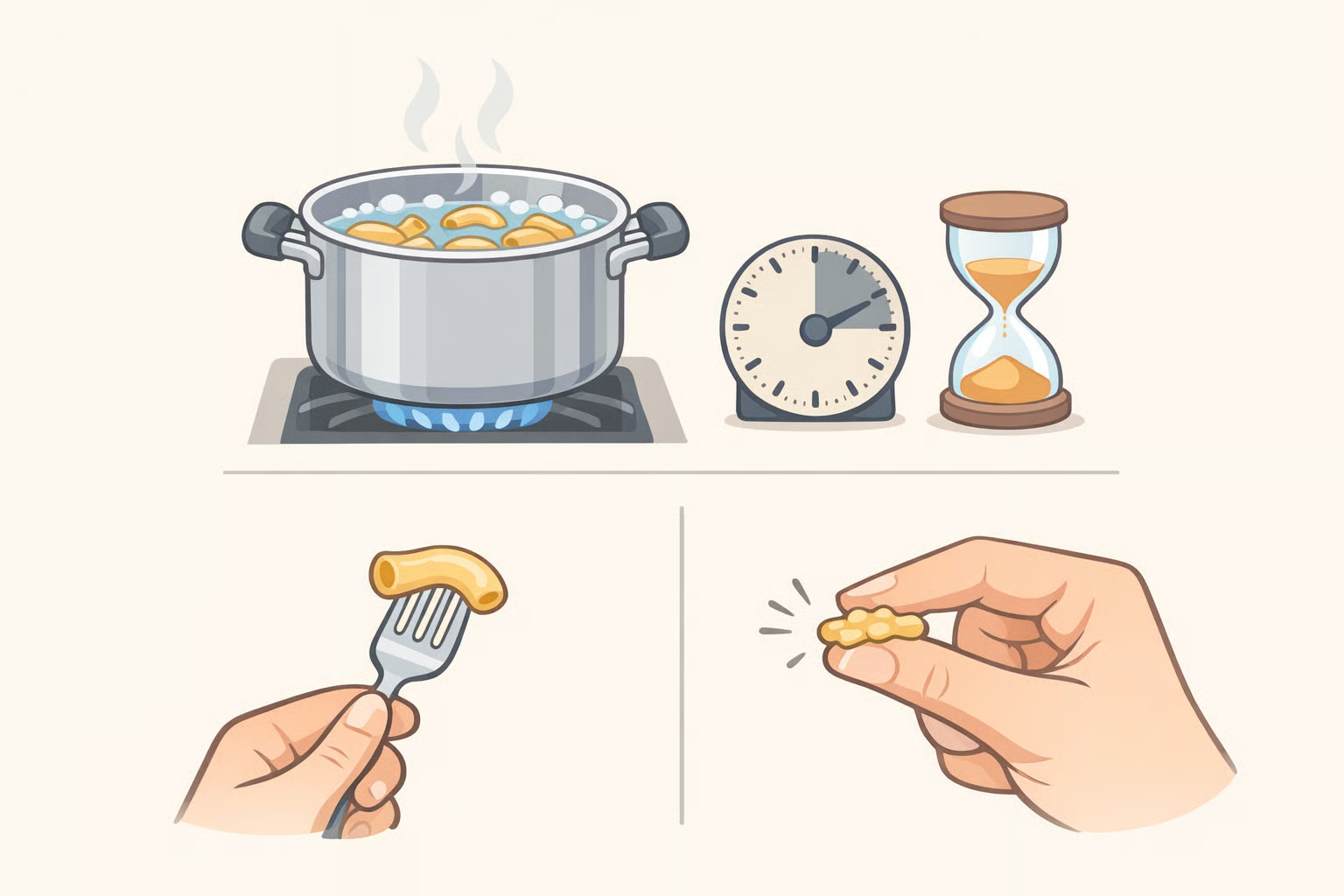
Bring a large pot of generously salted water to a rolling boil. Add the macaroni and cook for 12 to 15 minutes, well past the package's al dente timing. The Kitchn specifies 15 minutes for this texture; Serious Eats confirms the rationale pasta cooked this far becomes soft enough to absorb dressing rather than repel it. Start tasting at 12 minutes. The pasta is ready when it yields completely with no resistance and feels soft between your fingers.
If it feels done by normal standards, keep going. Pulling it early means the dressing will sit on the noodles rather than absorb into them.
Step 4: Drain, then hit with vinegar while warm
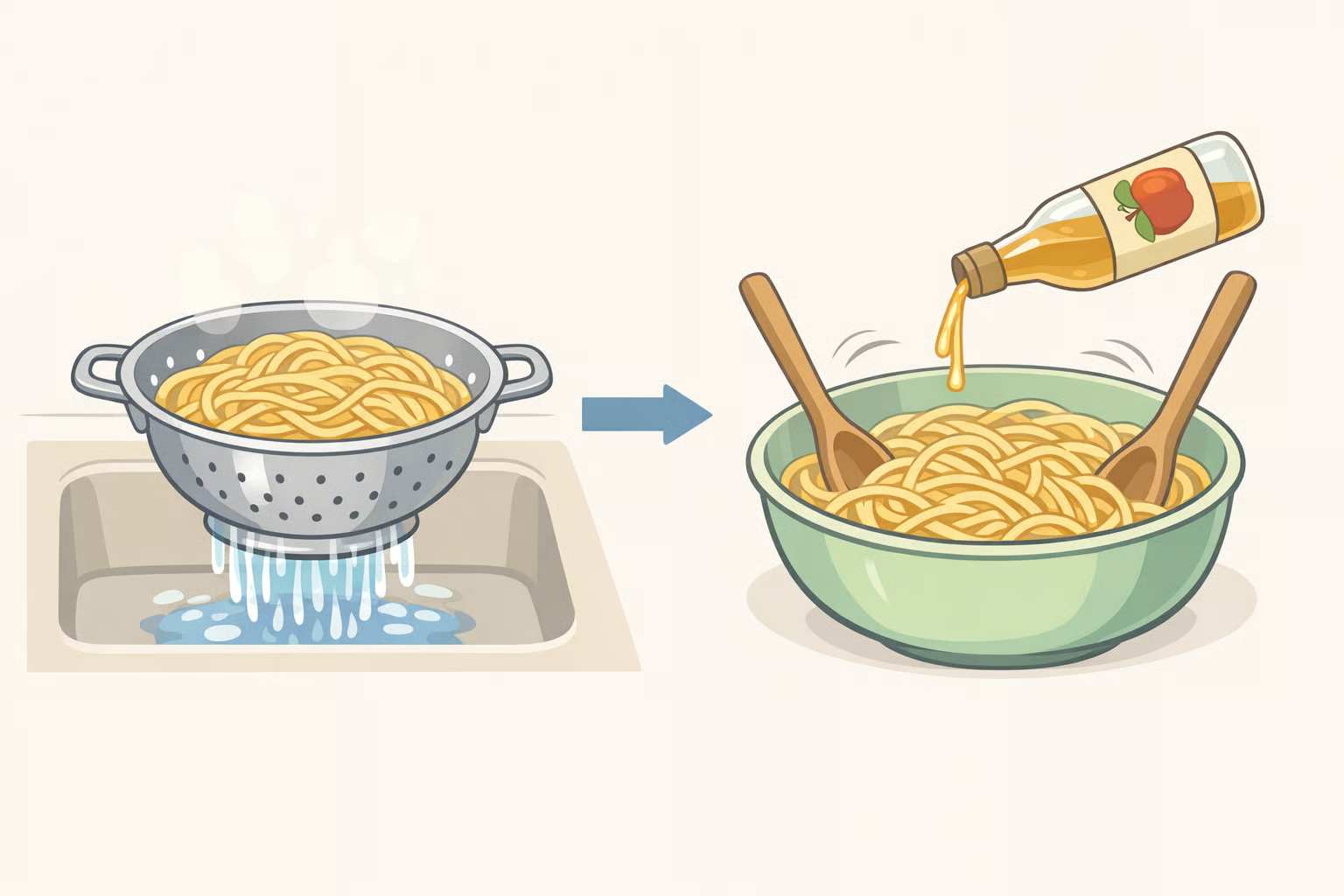
Drain the pasta and run cold water over it for about 30 seconds just enough to drop the temperature without waterlogging the noodles, per Allrecipes. Drain for another 20 seconds, then transfer to an empty bowl.
Toss the warm pasta with the apple cider vinegar immediately and stir until absorbed this happens quickly. Serious Eats developed this step specifically so the acid seasons each piece through rather than coating the surface. On its own, the vinegared pasta tastes sharp. That sharpness mellows once the dressing goes in.
Let the pasta cool for a few minutes, then fold in the dressing.
Step 5: Combine pasta and dressing
Pour the prepared dressing over the macaroni and fold until evenly coated. The mixture will look soupy more liquid than pasta. Do not add extra macaroni or reduce the dressing. This is what correct looks like before chilling.
Step 6: Refrigerate
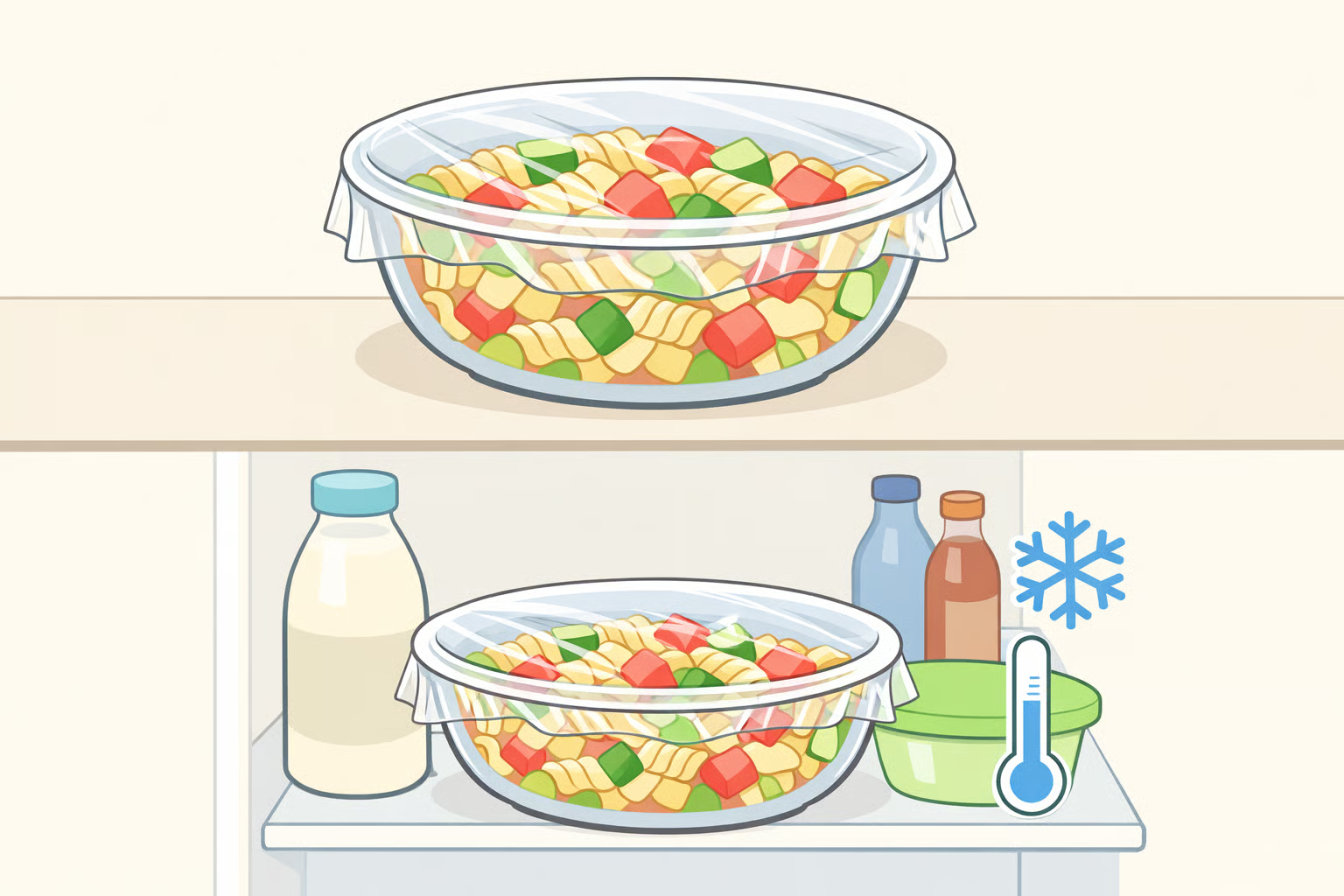
Press a sheet of plastic wrap directly against the surface of the salad to prevent drying, then cover the bowl. Simply Recipes calls for at least 2 hours of chilling and notes that flavor continues to develop up to 2 days out. The Kitchn puts the sweet spot at two to three hours, with overnight as a viable option. Allrecipes recommends at least 3 hours, preferably overnight.
The salad that goes in looking soupy will come out looking thick and dull. That's exactly right the pasta absorbed the dressing.
Step 7: Adjust texture just before serving
Remove the salad and stir thoroughly. Per Allrecipes, stir in a spoonful of fresh mayonnaise and about ¼ cup of water, then assess. Add more in small increments until the salad looks creamy and slightly glossy. Taste for salt and adjust.
This is a required step, not a finishing flourish. The salad that comes out of the refrigerator is not the finished product.
Troubleshooting
The salad looks too wet before chilling. Expected. The loose dressing is what allows absorption during refrigeration. Proceed without adjustment.
The pasta still has chew after cooking. Undercooked for this method. Return it to boiling water for two to three minutes before proceeding. Firm noodles won't absorb the dressing, which defeats the whole technique.
The onion tastes sharp. The soak wasn't long enough, or a sharper variety was used without soaking. Sweet onion avoids the problem entirely; red onion needs the full 20-minute soak and a thorough drain.
After chilling, the salad looks dry and dense. Correct. Execute Step 7 the fresh mayo and water adjustment restores the texture. Don't skip it.
The dressing pooled at the bottom instead of absorbing. Almost always caused by undercooked pasta. Firm noodles shed liquid rather than absorb it, per Serious Eats. The soft-pasta technique exists specifically to prevent this.
It tastes bland. The vinegar step was likely skipped, or the pasta was already cold when the vinegar went in. Warm pasta absorbs acid efficiently; cold pasta doesn't. Taste for salt as well the salad often needs more after a full chilling.
Make-ahead, storage, and optional add-ins
Make-ahead: Build the salad the night before. Simply Recipes notes flavor improves over time and the salad keeps for up to 2 days. Schedule the Step 7 adjustment for the day of, just before serving.
Storage: Sources vary on shelf life. The Kitchn recommends up to 3 days refrigerated in an airtight container; Simply Recipes says up to 5. Expect texture to soften further past day three as the pasta continues absorbing moisture. Re-loosen with a small amount of mayonnaise and water before serving leftovers.
Optional additions: The Kitchn notes that thawed frozen peas, finely chopped celery, a spoonful of sweet relish, canned tuna, surimi, or salad shrimp are all reasonable additions and tend to appear at potlucks and family barbecues. Fold these in at Step 5 alongside the dressing. They're additions to the base method, not substitutions for any part of it.
What to leave out: No vinaigrette, no fresh herbs, no al dente noodles. The Kitchn is direct on this: no seasonal vegetables, no cheese, no firm pasta. The dish's character comes from what it isn't as much as what it is.
A few final notes
The texture cues to trust: if the salad looks too loose before it goes in the refrigerator, that's correct. If it looks too dry and compact when it comes out, that's also correct. The adjustment in Step 7 fresh mayo plus a splash of water, stirred in right before it hits the table is what closes the gap. That final stir is when the dish actually becomes what it's supposed to be.
For a plate lunch spread, this pairs with whatever protein is on the table. For a summer cookout, it holds well for hours and travels easily. Make it the day before. The flavor is better for it.