How to cook mushrooms with water: the steam-then-sear method
The best way to cook mushrooms starts with water, not fat. That's the core of the America's Test Kitchen method that The Kitchn covered last week: add ¼ cup of water per 1¼ pounds of mushrooms before any oil goes in, let steam do the heavy lifting, then sear with a small amount of fat once the pan is dry. Two stages, sequenced correctly.
By the end of this guide, you'll know how to cook mushrooms with water so they come out golden, tender, and concentrated in flavor on a weeknight, using less fat than conventional sauté requires. The tradeoff is a few extra minutes at the start. What you get back is reliable browning without standing over the pan adjusting heat every thirty seconds.
If you have a small handful of cremini and a very hot, wide pan, the conventional approach can work. Where this technique earns its place is larger batches, mixed varieties, and any situation where gray rubbery mushrooms have appeared more than once.
Why mushrooms go soggy
Video of the Day
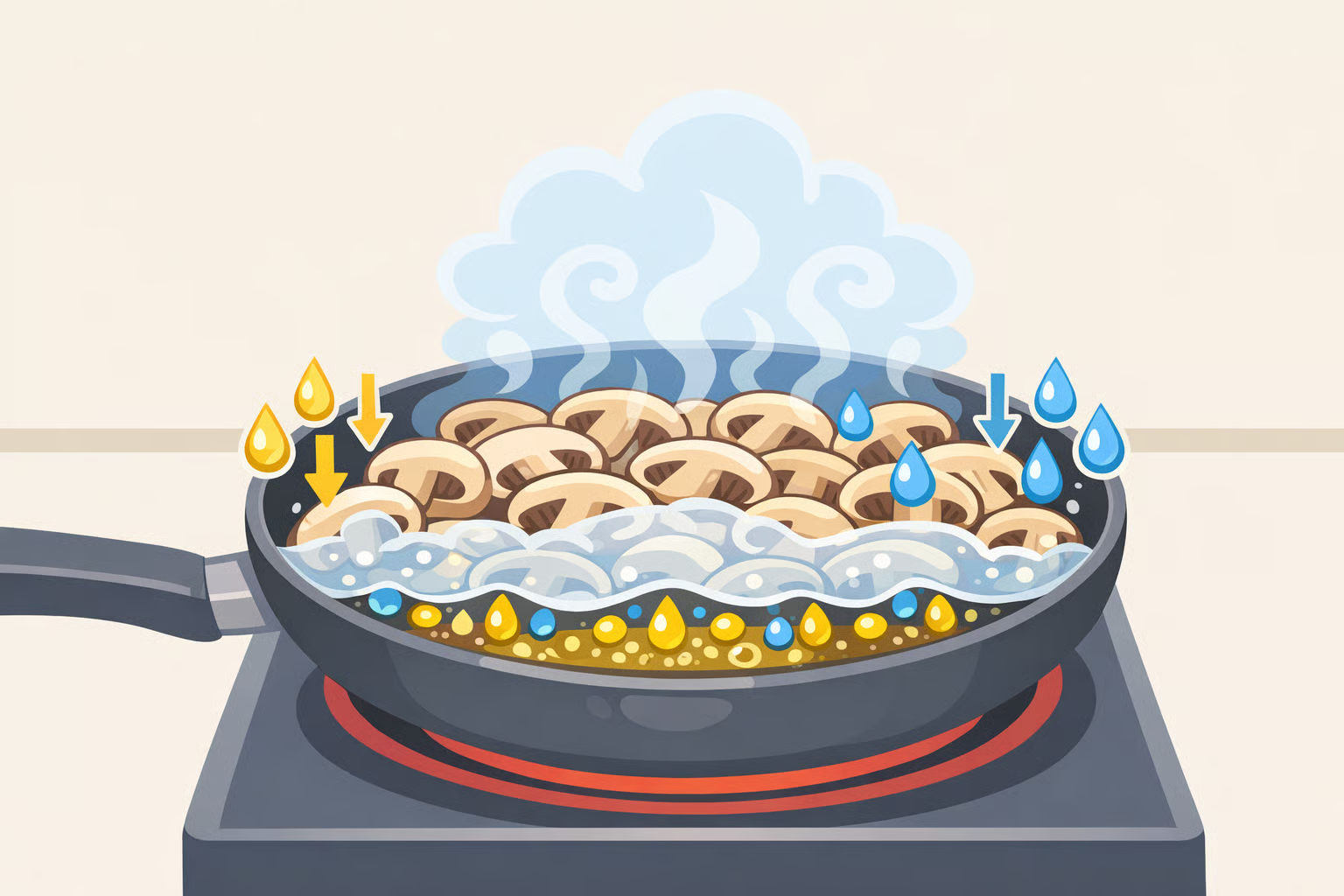
Mushrooms are 85% to 95% water by weight, per Serious Eats. Standard sauté logic says hot pan, hot fat, mushrooms go in. The trouble is that mushrooms are highly absorbent; they soak up the fat right away and then begin releasing their internal water into an already oil-saturated pan. That water comes out gradually, drops the pan temperature, and traps everything in a low-grade steam bath. The result: slow steaming, gray liquid pooling at the bottom, and a rubbery texture that won't recover. Chowhound notes that mushrooms are absorbent enough to become oil-logged before they even begin to brown.
The water-first method doesn't avoid steaming. It controls when steaming happens. As The Kitchn reports from the America's Test Kitchen video, steam from the added water may start collapsing the mushrooms' air pockets and rupturing cell walls faster, so internal moisture exits quickly rather than leaking out in a slow, pan-flooding drip. The mushrooms shrink, the liquid evaporates, and the pan goes dry. Oil added at that point goes where it belongs: onto the surface, for the sear.
Serious Eats frames the logic plainly: the goal is to steam mushrooms on your terms, quickly and completely, so that when fat enters the pan, browning can begin immediately.
Video of the Day
Which mushrooms and batch sizes work best
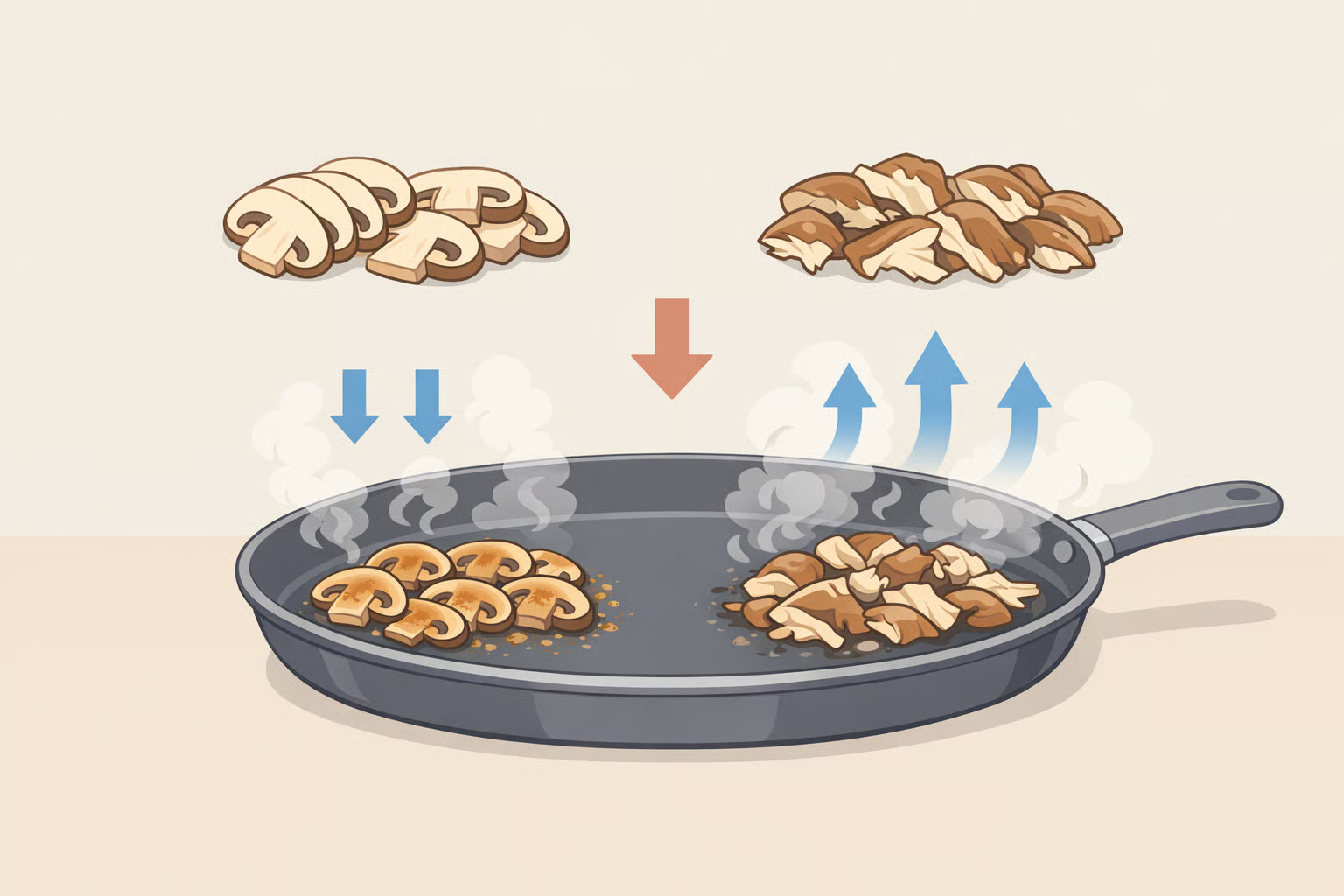
The steam-then-sear approach suits almost any variety, but how you cut them matters.
Cremini and button mushrooms, sliced ¼ inch thick, give the most surface area and brown reliably. Sliced shiitake caps develop a concentrated, almost meaty depth once their moisture is gone. Oyster and maitake mushrooms respond especially well when torn rather than sliced; the irregular edges crisp up during the sear in a way that clean knife cuts don't replicate. Whole small mushrooms work but take longer to color through.
Whatever the variety, keep pieces roughly uniform so they finish at the same rate. Mixing thick-sliced portobello with torn oyster mushrooms in the same batch means one will be done well before the other.
Batch size is not a secondary concern. A wide skillet, 10 to 12 inches, gives the liquid enough surface area to evaporate quickly. A smaller or overcrowded pan traps steam, extends the moisture phase, and often produces the gray stewed result you were trying to avoid. Bon Appétit is direct: cook in batches to avoid sogginess. For anything over 1¼ pounds, that means splitting the load.
How to cook mushrooms with water, step by step
Before you start: Pat the mushrooms dry if you washed them. Surface water adds to the evaporation load and extends the moisture phase. Chowhound points out that the longer mushrooms sit in water, the more they'll soak up, so wash them quickly and right before use.
Step 1: Add mushrooms and water to a dry pan, no fat yet.
Set the skillet over medium-high heat. Add the mushrooms and pour in ¼ cup of water for every 1¼ pounds, per the America's Test Kitchen method as reported by The Kitchn. Cover with a lid for the first few minutes to trap steam and force moisture out faster, per Serious Eats. A light pinch of salt here is useful. As The Kitchn food editor Patty Catalano explains, salting at this stage works alongside the steam to pull moisture out, much the way salt draws liquid from any food by pulling toward equilibrium. Don't oversalt; the liquid will concentrate as it reduces.
What you'll see: the liquid in the pan shifts from clear to grayish-brown as internal water releases. The mushrooms shrink noticeably.
Step 2: Let the liquid cook off completely.
Stir occasionally, not constantly. Once liquid has pooled and the mushrooms have visibly deflated, remove the lid. Serious Eats notes that the mushrooms will release a gush of liquid and shrink dramatically in about 8 to 10 minutes depending on batch size, their flavor concentrating and turning woodsy as they soften. Wait until the pan looks tacky at the bottom, not wet. A faint sizzle replacing the active bubbling is the signal you want.
Gotcha: adding oil while any visible liquid remains puts you straight back in soggy territory. The sear only works on a genuinely dry pan. If you're unsure, wait another 60 seconds.
Step 3: Add a small amount of fat and saute mushrooms with water gone from the pan.
Once the pan is dry, add a drizzle of neutral oil or a small knob of butter. Let the mushrooms cook undisturbed until golden and crisp at the edges, per Serious Eats. Because the mushrooms have already shed most of their moisture, they absorb far less fat here than they would have at the start. Chowhound confirms why: mushrooms added to fat before releasing their water will soak it straight up and turn greasy. Less fat used overall is a real practical difference in texture and economy, not a health claim.
Step 4: Taste for salt, then finish.
Check seasoning now, not before. Concentrated mushroom juices mean early salt estimates often run high. The Kitchn's Catalano recommends tasting at the end to dial in seasoning exactly. Then choose your finish. Serious Eats describes stirring a cold knob of butter in off the heat so it melts into the browned pan drippings and creates a glossy, silky sauce. The America's Test Kitchen video, per The Kitchn, specifically points toward finishing this way.
When something goes wrong
Mushrooms won't brown after the liquid evaporates. The pan temperature dropped during the steam phase and didn't recover. Increase heat slightly before adding the fat, and give the pan 30 seconds to come back up before adding oil.
Liquid won't evaporate. The pan is overcrowded and steam is recirculating instead of escaping. Remove half the mushrooms, let the liquid cook off the first batch, then return the rest. Combining them for the sear phase is fine, per Bon Appétit.
Mushrooms turned rubbery. Most likely cause: low heat combined with a long steam phase. Moisture needs to exit quickly. If the pan was too cool at the start, the mushrooms stewed rather than steamed. Run the first phase at genuine medium-high; you should hear active sizzling and see steady steam, not lazy bubbling.
Uneven results, some golden and others pale. This is a surface-area problem. Push the pale pieces toward where they have the most direct pan contact and give them another 60 to 90 seconds before pulling. Next time, split the batch earlier.
Where to take it from here
Once you've got a pan of properly browned mushrooms, two applications stand out. Build a quick pan sauce by stirring cold butter into the browned drippings off the heat and serving over pasta or polenta; it comes together in the same pan, in under two minutes. Or use the mushrooms in a grain bowl with something acidic alongside, pickled shallots or a squeeze of lemon, to cut the richness.
Serious Eats calls the steam-then-sear approach faster, easier, and equally delicious as conventional methods. For larger batches and mixed varieties, that holds up. The method is worth skipping only when the batch is genuinely small and the pan genuinely hot enough to handle it without help.