Sour Cream Bars Recipe: How to Keep the Tang After Baking
Most sour cream bars come out of the oven tasting sweet. Creamy, sure. Pleasant enough. But the sharp, lip-smacking tartness that makes sour cream worth using in the first place? Gone. This sour cream bars recipe fixes that with one addition to the filling: fresh lemon juice stirred in before baking. What follows is the full method, covering the filling formula, sour cream selection, and the bake itself, plus a troubleshooting section for when something goes sideways.
A quick note on scope: the bake times, temperatures, ratios, and technique notes below come from recipe testing, not from external sources. The science behind why the filling behaves as it does is sourced separately, and the two are kept distinct throughout.
How to make sour cream bars: tested filling method
Video of the Day
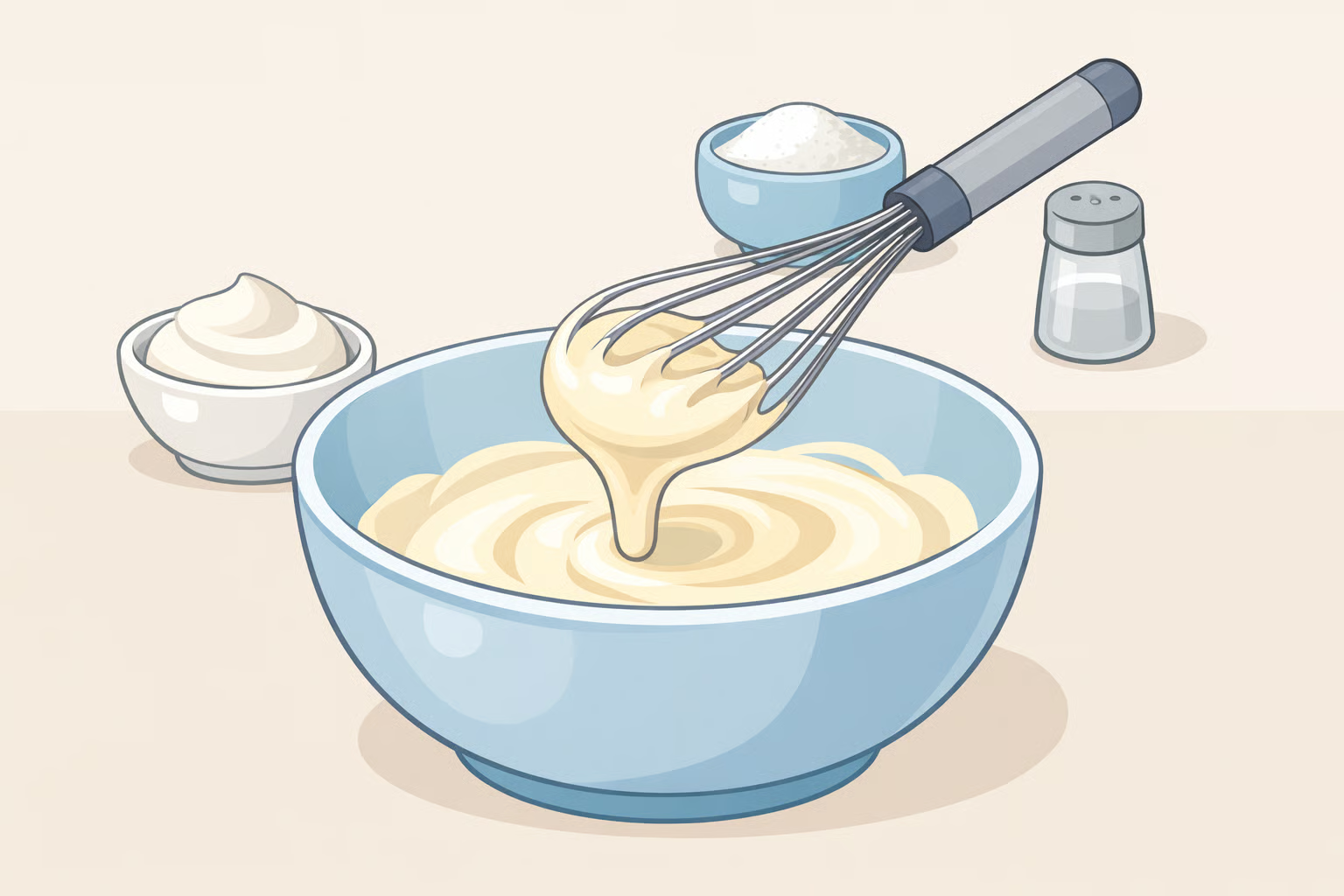
These quantities produce bars with a clean, tangy finish in a 9x13-inch pan. Pull your sour cream from the refrigerator before doing anything else.
Filling ingredients:
- 2 cups full-fat sour cream, room temperature
- 1/2 cup granulated sugar
- 2 large eggs
- 2 tablespoons all-purpose flour
- 1 1/2 tablespoons fresh lemon juice
- 1 teaspoon vanilla extract
- Pinch of salt
Step 1: Set the sour cream out 20 to 30 minutes before mixing. Cold sour cream doesn't incorporate smoothly. Room temperature sour cream blends in one pass and produces a more even filling texture.
Step 2: Whisk sour cream, sugar, and salt until smooth before adding anything else. Dissolving the sugar first prevents graininess in the finished bar. About 60 seconds by hand is enough.
Step 3: Add eggs one at a time, whisking gently. The goal here is incorporation, not aeration. Overworking the filling traps air, which expands in the oven and cracks the surface as the bars cool. Stop as soon as each yolk disappears.
Step 4: Add flour, vanilla, and lemon juice, then whisk briefly to combine. In testing, 1 1/2 tablespoons of lemon juice kept the filling noticeably tart after baking without tipping into citrusy. White distilled vinegar works at the same quantity if you'd rather skip the lemon flavor entirely.
Before pouring, the filling should look like a smooth, pourable custard: thicker than milk, looser than pudding. Watery filling usually means the sour cream was too thin to begin with.
On sugar: Half a cup is calibrated for a bar where tartness leads. Each extra tablespoon of sugar pushes the result toward sweet. If the recipe you're adapting calls for 3/4 cup or more, scale back. These should taste balanced, not like cheesecake with sour cream stirred in.
On flour: Two tablespoons gives enough structure for clean slices without making the filling dense. More tips it toward gummy; less, and the filling may not hold its shape when cut cold.
Video of the Day
Crust and bake
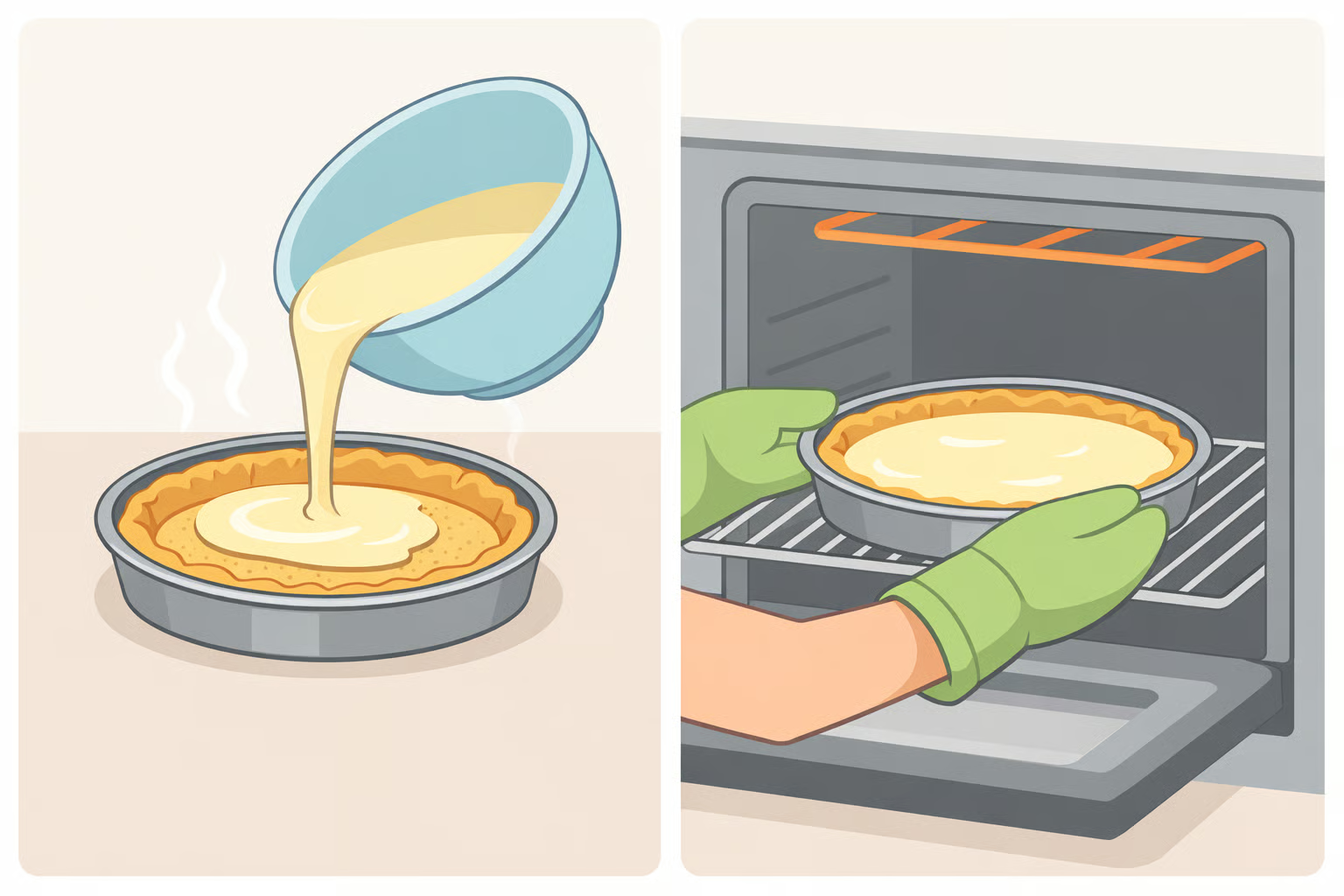
Crust. A shortbread base or graham cracker crust both work. Keep it lightly sweetened. A sweet crust amplifies the sugar read and pushes the filling's tartness further back. Line the pan with parchment and leave an overhang on two sides; it makes lifting and slicing significantly cleaner. Press the crust firmly and evenly into the bottom of the pan.
Par-bake at 325°F for 10 to 12 minutes, until just set and pale gold. A par-baked crust holds its structure rather than softening under the liquid filling.
Bake. Pour the filling over the warm crust and return to 325°F for 22 to 28 minutes. The filling is done when the edges are fully set and the center has a slow, contained jiggle: not liquid-loose, not puffed and rigid. An instant-read thermometer reading of 150 to 155°F at the center is a reliable second check.
The lower temperature matters for the same reason it matters for cheesecake: egg and dairy proteins set gently rather than seizing. A hotter oven causes the filling to puff, crack, and release moisture as it cools.
Cooling and cutting. Let the bars cool in the pan at room temperature for about 30 minutes, then refrigerate for at least three hours before cutting, four is better. The filling continues setting as it chills. Cut cold, with a sharp knife wiped clean between slices. Use the parchment overhang to lift the slab out before slicing for clean edges and square cuts.
Best sour cream for baking: what the label tells you
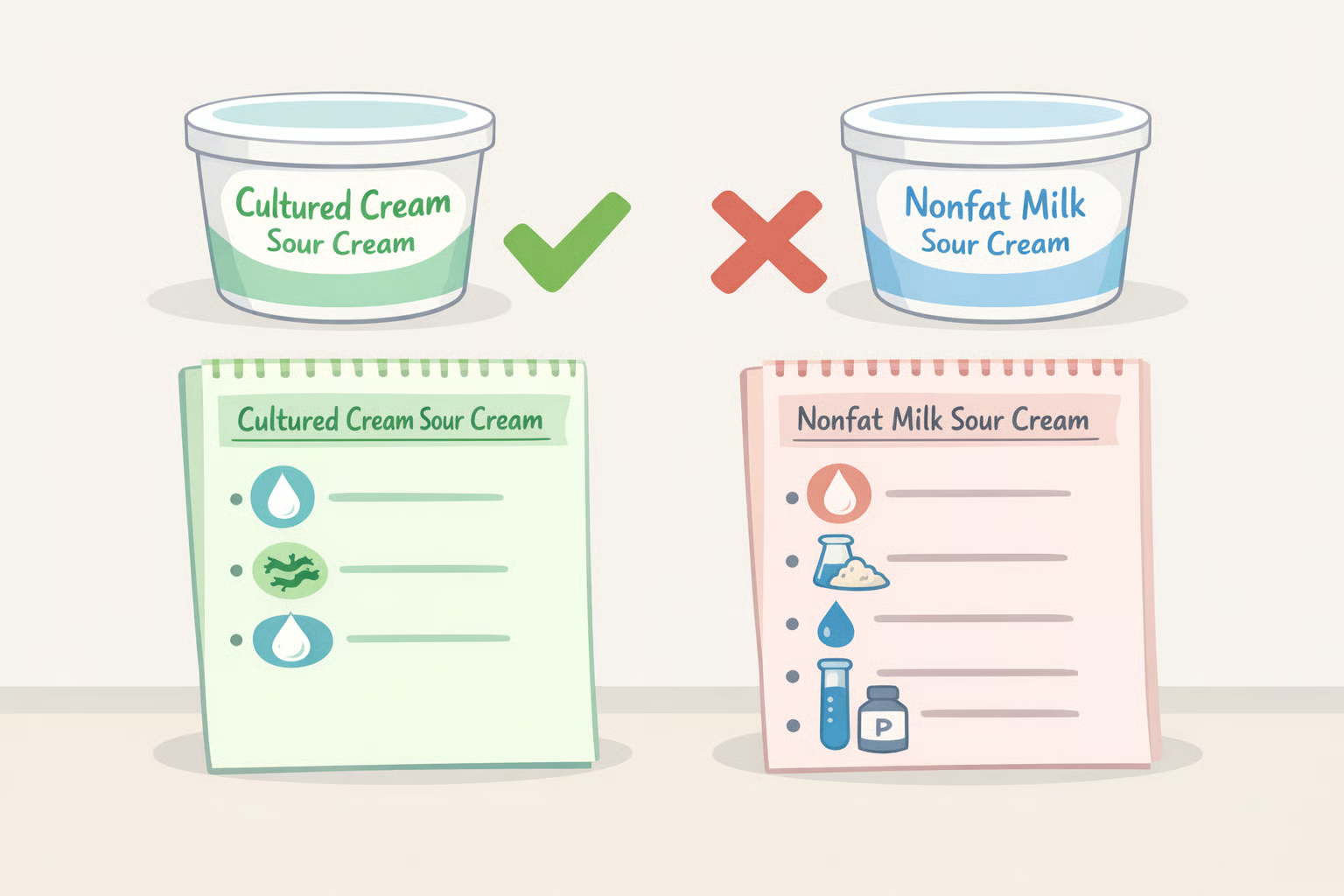
The sour cream you start with matters more than most recipes acknowledge, and the ingredient list is the fastest diagnostic.
A blind tasting of 12 commercial sour creams by Serious Eats, published in January 2025, found that every top finisher balanced tanginess and rich creaminess while avoiding sweetness. Stop & Shop's store brand took the overall win, with tasters describing it as "very thick and lusciously creamy" with a pleasant tang. Daisy ranked just behind it: "just the right amount of tang," thick and scoopable, with an ingredient list that reads only cultured cream. As the tasting noted, some brands add enzymes, nonfat milk, or milk solids alongside that cultured cream Daisy has none of those additions. If Stop & Shop isn't available, Daisy is a sound choice.
Organic Valley is the outlier worth knowing about. Its sour cream is made with both nonfat milk and cream, which the Serious Eats tasting linked to a noticeably thinner consistency. Thinner sour cream produces a looser filling, one that may not hold its shape cleanly when cut. For bars, that thickness is structural.
The practical rule: choose full-fat sour cream whose ingredient list reads cultured cream, possibly enzymes, possibly live active cultures. A sour cream that tastes flat or faintly sweet before it goes into the oven will read more so after.
Why the filling loses its tang in the oven, and what lemon juice does about it
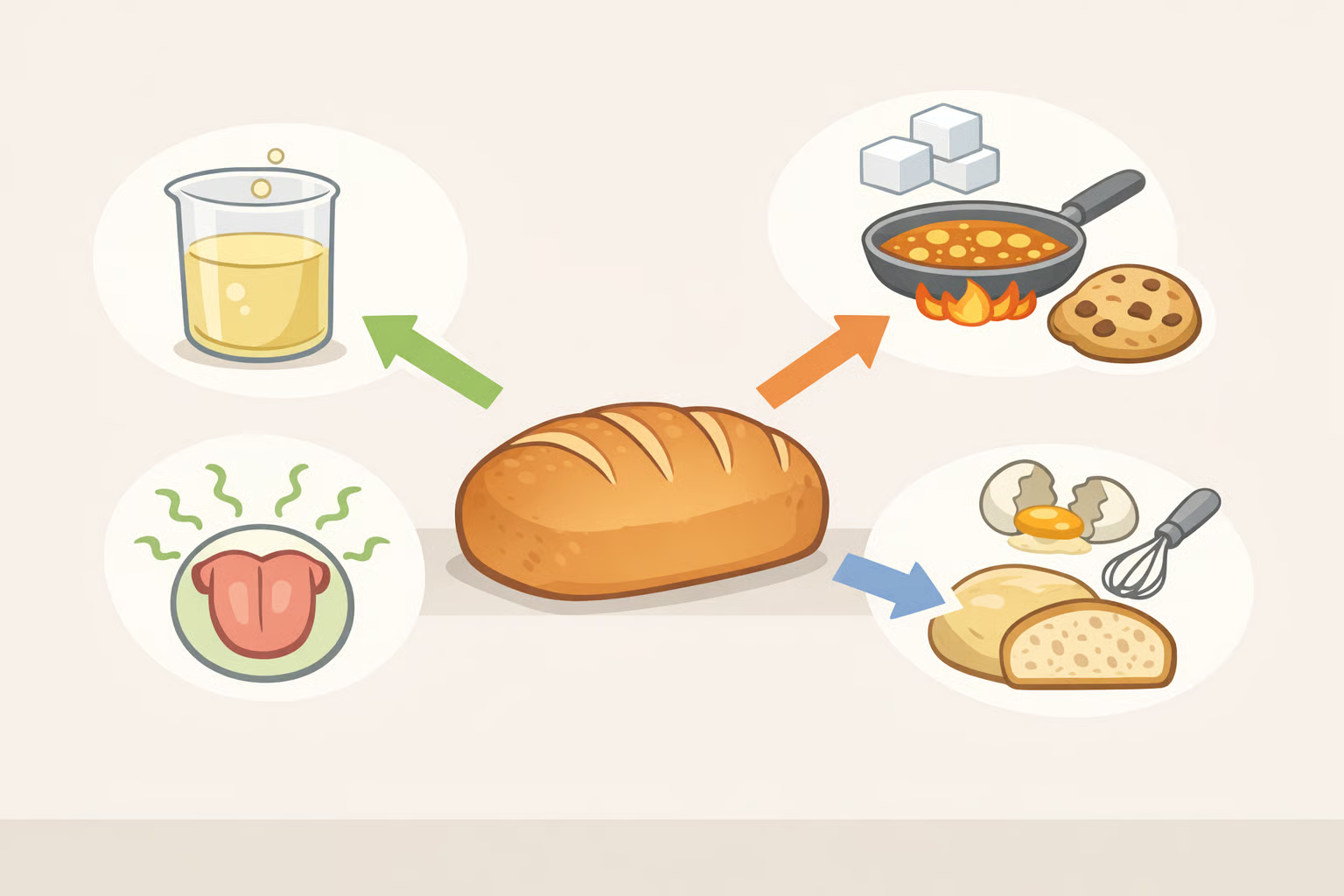
Sour cream's sharpness isn't flavoring added from the outside. It's produced during manufacturing: bacterial cultures, primarily Lactococcus lactis, ferment lactose into lactic acid, pulling the pH down to around 4.5, according to Serious Eats' cream science guide. The same fermentation produces diacetyl, a buttery flavor compound that gives quality sour cream its faint richness beneath the acid. What registers as "sour cream flavor" is that combination working together: lactic acid, fat, and secondary fermentation character.
In a baked filling, that perception competes. Caramelizing sugar, set egg protein, and the softer texture of a cooked custard all push the flavor toward mild. The acid doesn't disappear, but it recedes into the background.
Adding lemon juice addresses this directly. In testing, 1 1/2 tablespoons was enough to keep the finish noticeably tart after baking without making the bars taste citrusy. The lemon reinforces rather than replaces the sour cream's own character. Whether to call this "acid reinforcement" or just "it works" is less important than the result. Start there, then adjust to taste.
Troubleshooting: when the bars don't read tangy enough
The bars taste flat or sweet. Most likely the sour cream had a weak acid profile to begin with, or the sugar level is too high. Check the label: if it lists nonfat milk or milk solids, the fermentation character was diluted before you started. Choose a brand with only cultured cream next time, and try reducing sugar by a tablespoon or two while increasing lemon juice to 2 tablespoons.
The filling turned watery or didn't fully set. Either the sour cream was too thin, Organic Valley's looser consistency being an example flagged by Serious Eats, or the bars were underbaked. Use a thermometer rather than relying on appearance alone.
The surface cracked. Two likely causes: oven temperature too high, or the filling was overmixed and trapped air. Drop back to 325°F and mix more gently at the egg step.
The tang is there straight from the oven but fades in the refrigerator. Try increasing lemon juice to 2 tablespoons, and use fresh-squeezed rather than bottled. In testing, tang held during refrigeration, so if yours is fading, the acid level going in was likely too low.
Serving, storing, and a useful variation
These bars are best served cold. If you're making them for a gathering, baking the day before gives the filling time to fully firm and the flavors time to settle.
The filling scales cleanly to an 8x8 pan: halve every ingredient and check for doneness a few minutes earlier than the larger batch. A thin layer of fruit jam pressed into the surface before baking is worth trying. Raspberry and sour cherry both work with the acid profile rather than against it, sharpening the overall finish rather than sweetening it.