3 ingredient whipped lemonade recipe: 4 steps, one blender
This guide walks you through making a creamy, frothy 3 ingredient whipped lemonade using sweetened condensed milk and whole blended citrus. Four steps, one blender, under five minutes. The result is a fluffy lemonade drink with real dessert-register texture not quite a smoothie, not quite a milkshake, but closer to both than anything you'd pour from a pitcher.
One distinction worth making upfront: this is not the whipped-cream TikTok whipped lemonade that went viral in 2021. That version, as Tasting Table described it in 2023, blends ice, whipped cream, sweetened condensed milk, and fresh lemonade until smooth. This version skips the whipped cream and uses a whole-fruit blending technique instead, adapted from the Brazilian-style limonada method. The condensed milk still does the same structural work sweetening, thickening, taming citrus sharpness but the ingredient count drops to three.
The method also doubles as a whipped lemonade recipe template. Once the base is down, variations are genuinely easy.
Equipment you'll need before starting:
- A blender (high-speed preferred, standard works fine)
- A fine-mesh sieve
- A pitcher or large measuring cup (a 4-cup measuring cup works well)
That's it. Have these ready before you start; the actual blending takes seconds and you don't want to be hunting for a strainer while the mixture sits.
The three ingredients and what each one does
Video of the Day
Understanding why each ingredient is here makes the recipe easier to adjust and harder to mess up.
Fresh lemons, 4, washed and quartered. The whole fruit goes into the blender, rind and all. This is the method, not a workaround. The peel carries aromatic oils that give the drink more complexity than squeezed juice alone could, and because everything gets strained afterward, none of the pith or skin ends up in the glass. The original whole-fruit technique was developed with limes Simply Recipes published the limonada version in 2023 using the same quartered-and-blended approach and it translates directly to lemons. Limes are a valid substitute, though the flavor shifts noticeably: brighter, sharper, slightly more floral compared to the rounder result you get from lemons.
Sweetened condensed milk, 4 oz (roughly one-third of a standard 14-oz can). This is the ingredient the recipe depends on. It's pre-sweetened, viscous, and fatty enough to absorb citrus sharpness without turning the drink cloying. Quantities are drawn from Simply Recipes.
Sugar, ¼ cup. The condensed milk handles a lot of the sweetness, but the sugar balances residual tartness. For a sweeter result more accessible to kids or to drinkers who find straight lemonade sharp Simply Recipes recommends increasing it to ⅓ cup while keeping the condensed milk constant. The extra sugar doesn't affect texture.
Water (2 cups) and ice are not counted as ingredients. Simply Recipes explicitly treats both as freebies. The water goes in during blending; it helps the blender move through the whole fruit evenly and brings the mixture to drinking dilution. The ice is for serving.
Video of the Day
How to make 3 ingredient whipped lemonade in 4 steps
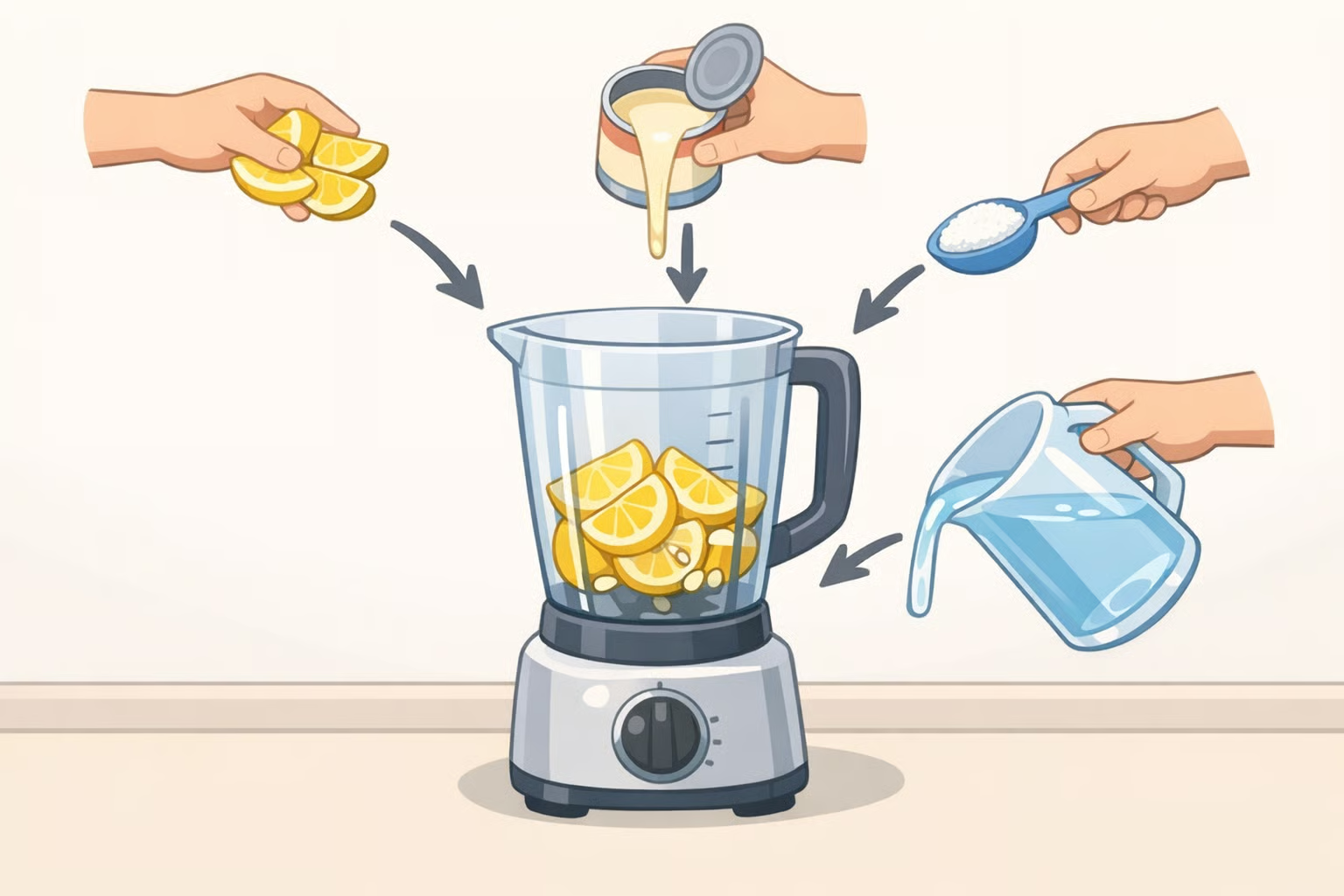
Step 1: Add the quartered lemons, condensed milk, sugar, and water to the blender.
Don't juice the lemons first. The whole fruit peel, pith, and all goes in. Add the 2 cups of water now, not after blending. The water is what lets the blender pull everything together without the mixture jamming against the blades.
One note on prep: wash the lemons well before quartering. You're blending the rind, so surface residue matters more here than in a standard recipe.
Step 2: Blend on high for 5 to 10 seconds. Stop.
Five seconds for a high-speed blender like a Vitamix; 10 seconds for a standard model. This is the only genuinely critical decision in the whole recipe. Simply Recipes is unambiguous: blending whole citrus any longer releases bitter oils from the peel, and once that happens, there's no sweetness adjustment that fixes it. A new batch is faster than troubleshooting a bitter one.
The mixture does not need to look smooth. Visible chunks of peel and pulp are expected and fine, because everything gets strained in the next step. Don't let the appearance push you toward a longer blend.
Step 3: Strain through a fine-mesh sieve into a pitcher, pressing firmly with a spoon.
Set the sieve over your pitcher or measuring cup, pour in the blended mixture, and use a spoon to press the pulp against the mesh. Push all the liquid through; the solids get discarded. Simply Recipes describes exactly this technique.
What comes through the sieve should be pale, slightly cloudy, and faintly foamy on top. That foam is the "whipped" quality the drink is named for a natural result of blending whole citrus with condensed milk, not something you add separately. Taste it before adding ice. It should be bright, tart, and creamy with no harsh edge. If it tastes flat or thin, stir in a little more condensed milk. If it's unambiguously bitter, the blend ran too long; start a fresh batch.
Step 4: Pour over ice immediately and serve.
This is not a make-ahead drink. Simply Recipes is direct about it: serve immediately, because the mixture turns bitter as it sits. Don't blend a batch an hour before guests arrive and expect it to hold. The whole point of this recipe is that it takes under five minutes make it when you need it.
One batch yields four servings. For a group, pre-measure individual batches before anyone arrives: 4 quartered lemons, 4 oz condensed milk, ¼ cup sugar, 2 cups water, ready to go in separate sets. Blend and strain each batch fresh as you need it. The straining step takes the most time, so have a second person pressing the pulp while you're setting up the next round.
What this easy whipped lemonade looks like when it works
The finished drink should be pale and slightly opaque not the crystal-clear yellow of filtered lemonade. There will be a visible foam layer on top right after straining; pour over ice quickly to preserve it. Tasting Table called the appeal "fancy and fluffy" back in 2023, which is accurate. It reads as elevated without requiring any special technique or equipment beyond a blender and a sieve.
The texture difference from regular lemonade is noticeable. Condensed milk adds viscosity that water-and-sugar lemonade simply doesn't have, which is why this drink sits in a different category closer to a light, citrusy dessert than to a summer refresher. That density is also what makes the foam stable long enough to matter.
Variations that use the same formula
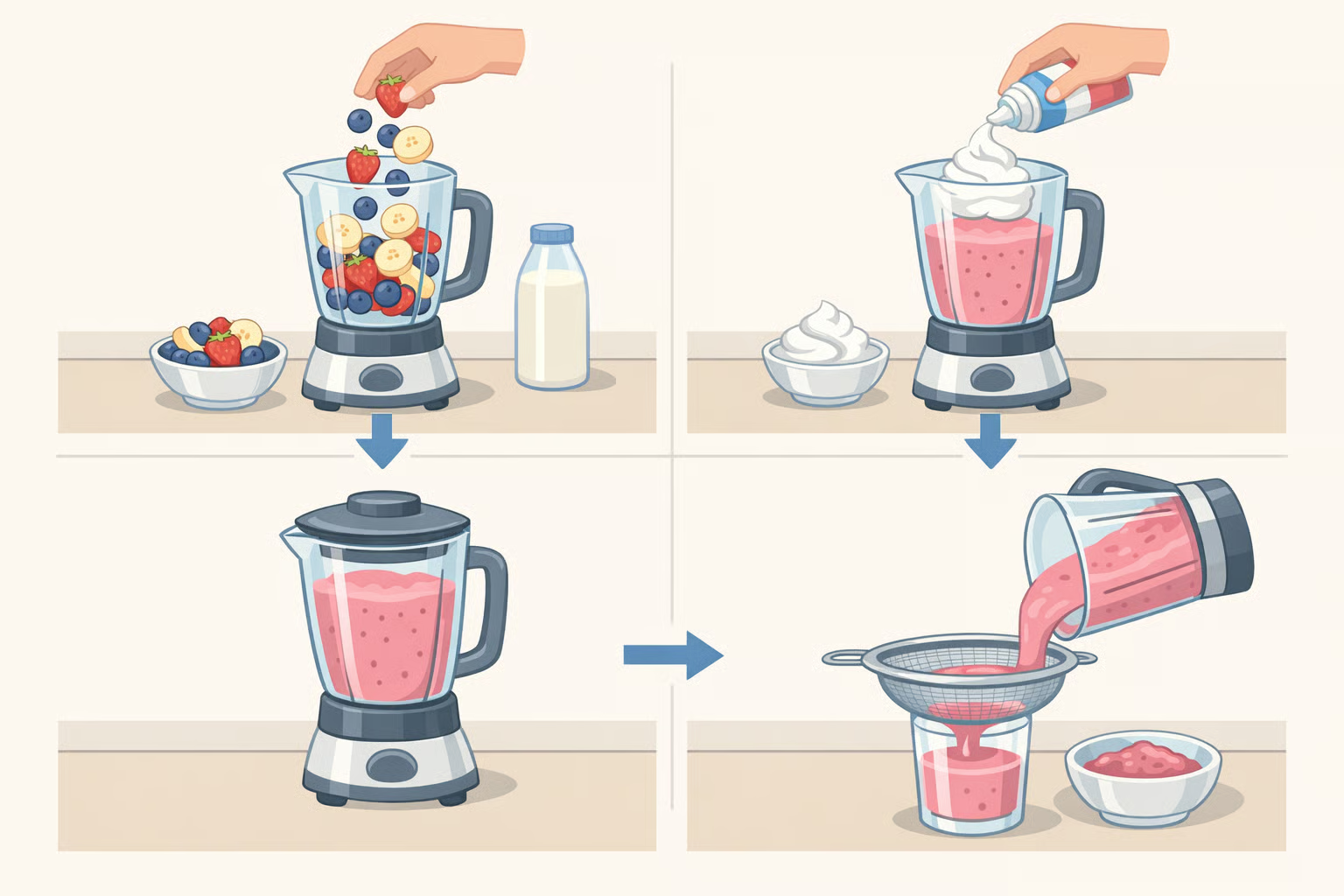
The base method citrus, condensed milk, sugar, water, blend briefly, strain is a template that takes on other flavors without changing technique.
Fruit additions. Add a handful of fresh strawberries, mango chunks, watermelon, or peach directly to the blender along with the citrus. Tasting Table lists all four as options, along with lavender. Blend and strain exactly as you would the plain version. The fruit contributes both flavor and color, and it passes cleanly through the sieve. No extra steps.
Strawberry is probably the most crowd-pleasing version; it produces a pale pink drink with a softer citrus edge. Mango pushes it more tropical. Lavender is the most polarizing use a light hand if you go that direction, since it can tip quickly from subtle to soapy.
Richer texture. For something closer to the original viral format, add whipped cream before blending. Tasting Table includes whipped cream as a component of the classic four-ingredient version, and it amplifies the foam while pushing the texture toward a loose milkshake. This is the one case where breaking the three-ingredient constraint is worth it. The trade-off is a heavier drink; whether that's desirable depends on the occasion.
Cocktail version. Gin is the natural match for a citrus-and-cream drink. Tasting Table recommends it specifically. Add 1.5 oz per serving after straining and stir to combine before pouring over ice. This works cleanly with the plain lemon base. If you're using a fruit variation with strong aromatics lavender, in particular gin can clash; in that case, a neutral spirit is a cleaner option that won't compete with what you've already built into the drink.
A note on serving
This recipe is built for immediacy. It's the right drink for a backyard afternoon, a small brunch, any situation where you can hand someone a glass within a few minutes of blending. That constraint isn't a flaw it's what keeps the technique honest. The condensed milk version works precisely because the whole-fruit method takes so little time that making it fresh on demand is genuinely easier than trying to prep it ahead.
Three things worth remembering: the condensed milk is doing most of the structural work, the blend time is the only step that can go wrong, and the drink needs to be served right away. Which citrus, which fruit to add, whether to include a spirit all of that is adjustable based on what you have and who you're serving.