One-Skillet Orzo with Cherry Tomatoes: 20-Minute Dinner
This guide walks you through a complete skillet orzo dinner in 20 minutes: cherry tomatoes softened into a savory base, orzo simmered in stock in the same pan, and a finishing layer of capers, lemon zest, thyme, and Parmesan that makes the dish taste deliberate rather than improvised. The one-skillet orzo with cherry tomatoes method described here serves 2 to 3 people and reheats well the next day. The timing and ingredient list come from a Serious Eats recipe first published in 2009 and updated earlier this year.
Why this recipe works
Video of the Day
The dish solves a specific weeknight problem: dinner that tastes composed without requiring sustained attention. What makes it work is that each ingredient occupies a different flavor lane. The tomatoes provide body and sweetness. The capers bring brine. The lemon zest cuts through the fat. The Parmesan rounds out the finish. There's no redundancy in the lineup, which is why the result tastes more balanced than eleven ingredients would typically suggest.
At 257 calories per serving with 10g protein and 3g fiber, this eats like dinner, not a side dish (Serious Eats).
Video of the Day
What you need before you start
Equipment: A deep skillet, at least 3 quarts. That's the whole vessel list. The tomatoes go in first, get set aside, then the orzo cooks in the same pan. One pan, one stovetop burner, start to finish.
A note on method: the original recipe uses a separate pot for the orzo. The single-skillet approach described here requires more attentive stirring and benefits from having extra stock nearby in case the liquid absorbs faster than the orzo cooks through. The payoff is fewer dishes and a more integrated final texture, since the tomato residue left in the pan flavors the cooking liquid. Once you've made it once and know what the doneness cues look like, the single-skillet approach is the one to stick with.
Ingredients (serves 2–3, per Serious Eats):
- 1 tablespoon olive oil
- 2 cups cherry tomatoes, halved
- 1 clove garlic, minced
- 1 cup orzo
- 2 cups chicken stock
- 2 teaspoons fresh thyme, chopped
- 2 teaspoons capers, drained and minced
- 1 tablespoon pine nuts, chopped
- A small handful of grated Parmesan
- 1 tablespoon lemon zest
- Salt and pepper to taste
Substitutions worth knowing before you start:
- Vegetable stock replaces chicken stock directly, no other adjustments needed.
- Pine nuts can be skipped or swapped for toasted breadcrumbs. Their contribution is textural; the dish holds together without them.
Sodium: Capers are salty. Stock often is too. Each serving comes in at roughly 729mg of sodium, about 32% of the recommended daily value (Serious Eats). Use low-sodium stock if that matters to you, and taste before adding any salt at the end. The capers and Parmesan have already put in a shift by that point.
Step 1: Build the tomato base
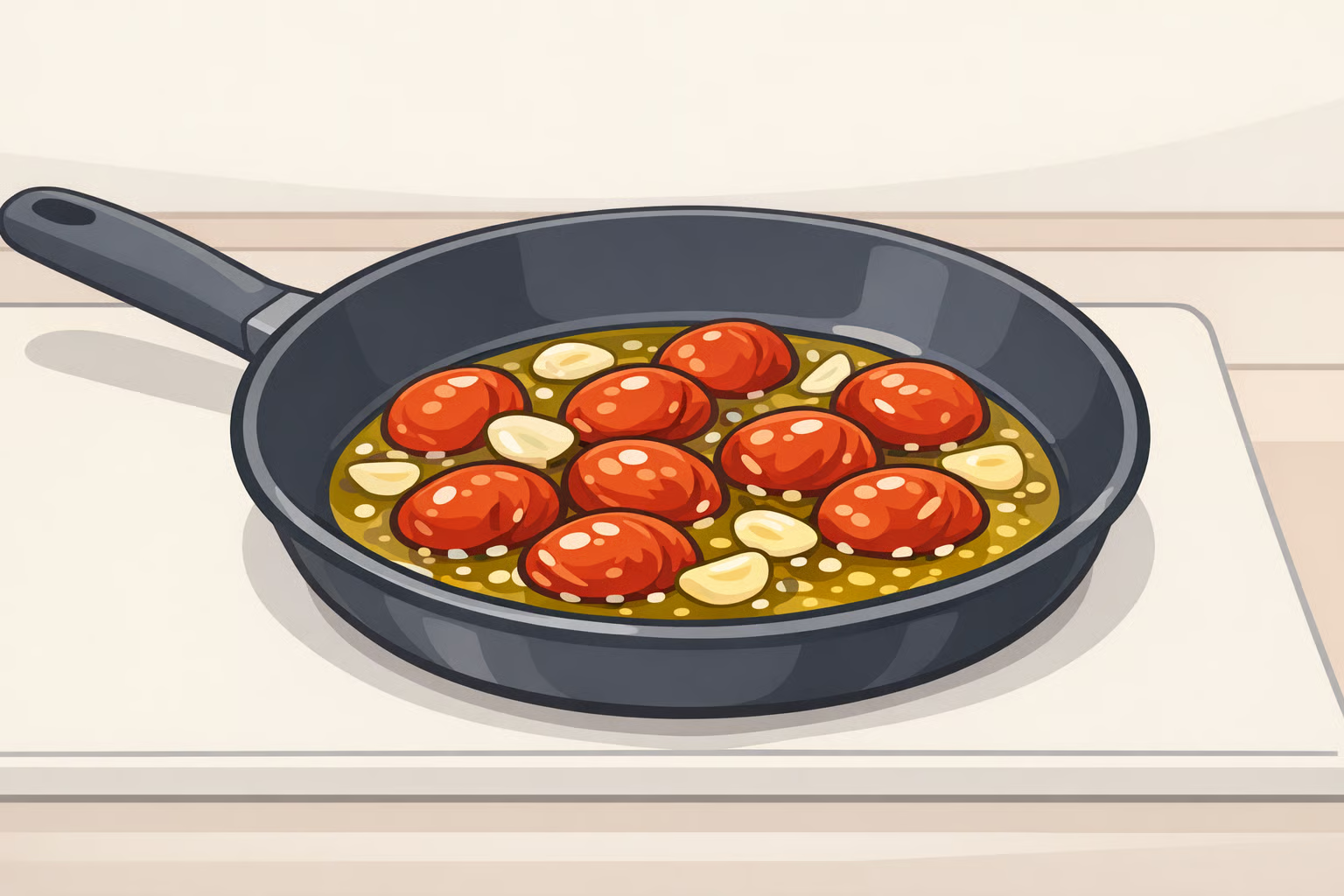
Heat the olive oil in a large, deep skillet over medium heat. Add the halved tomatoes and minced garlic. Cook, stirring often, until the tomatoes just begin to soften and release their juices, about 3 minutes. Turn off the heat, transfer the tomatoes and garlic to a bowl, and set aside.
What you're looking for: tomatoes that look slightly deflated and glossy, with some liquid pooled around them. Not browned, not reduced to sauce. If the garlic starts to color before the tomatoes have softened, the heat is too high. Pull back immediately.
Don't skip this step or try to fold the tomatoes in raw at the end. Softening them first builds the savory base that coats the orzo when everything comes together; raw tomatoes added at the finish produce a noticeably different result, sharper and less cohesive (Serious Eats). Three minutes is all it takes.
Step 2: Cook the one-skillet orzo with cherry tomatoes
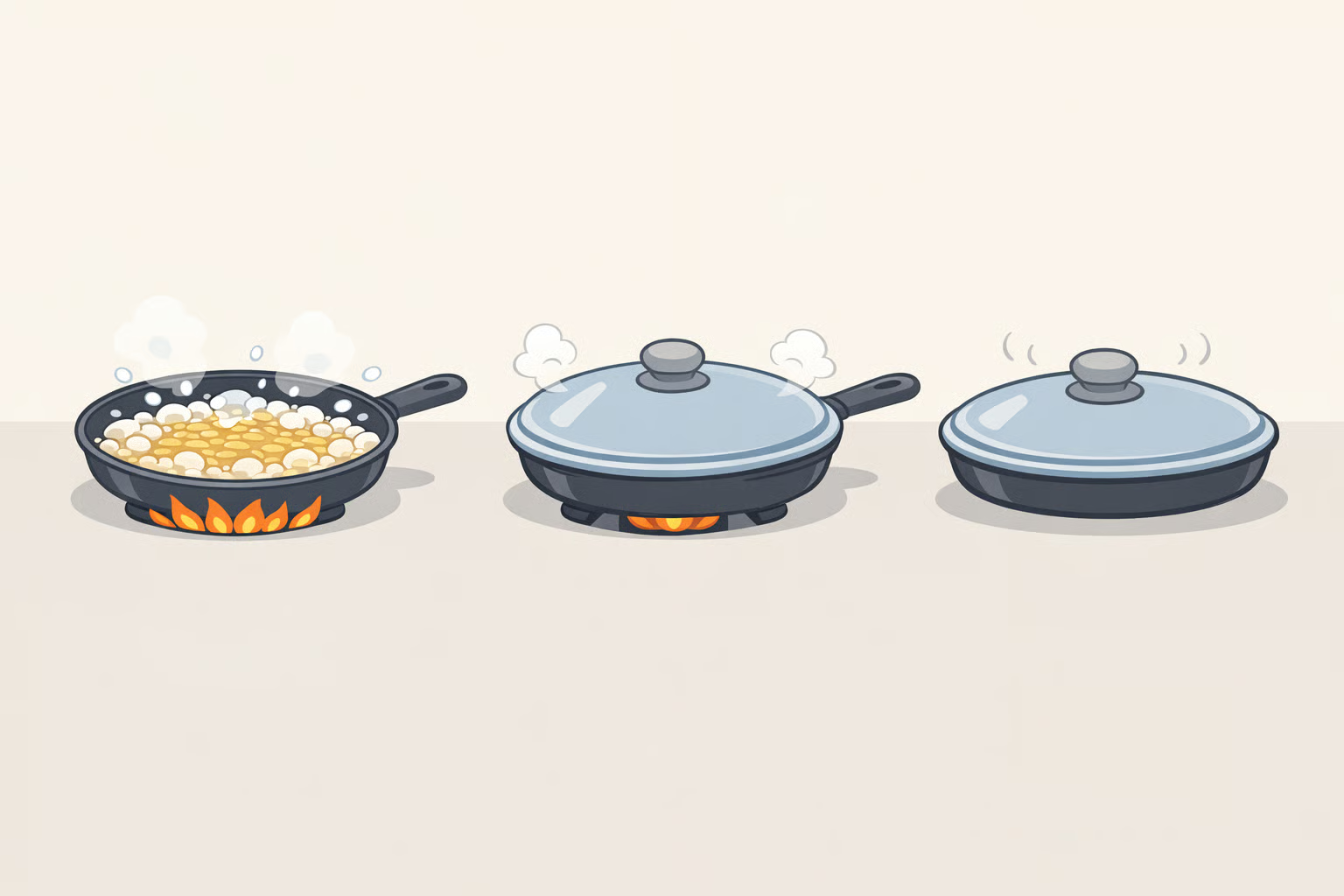
Without wiping the skillet, pour in the chicken stock and add the orzo. The tomato residue left in the pan goes into the cooking liquid; that's intentional. Turn the heat to high and bring to a boil. Reduce to a gentle simmer, cover, and cook for 7 minutes. Turn off the heat, leave the lid on, and let the skillet sit for an additional 3 minutes (Serious Eats).
After the rest, the orzo should have absorbed nearly all the liquid. It should feel tender throughout with a slight chew at the center, not crunchy, not mushy. The covered rest matters: the trapped steam finishes the cook evenly. Set a timer. Lifting the lid early releases it and can leave the centers underdone.
Skillet-specific watch point: Because a skillet has more surface area than a pot, the liquid can reduce faster than in the original two-vessel method. Check the liquid level at the 5-minute mark on your first attempt. If it's looking tight, add a small splash of stock and re-cover. Having an extra half-cup nearby before you start is the move.
Step 3: Combine off the heat
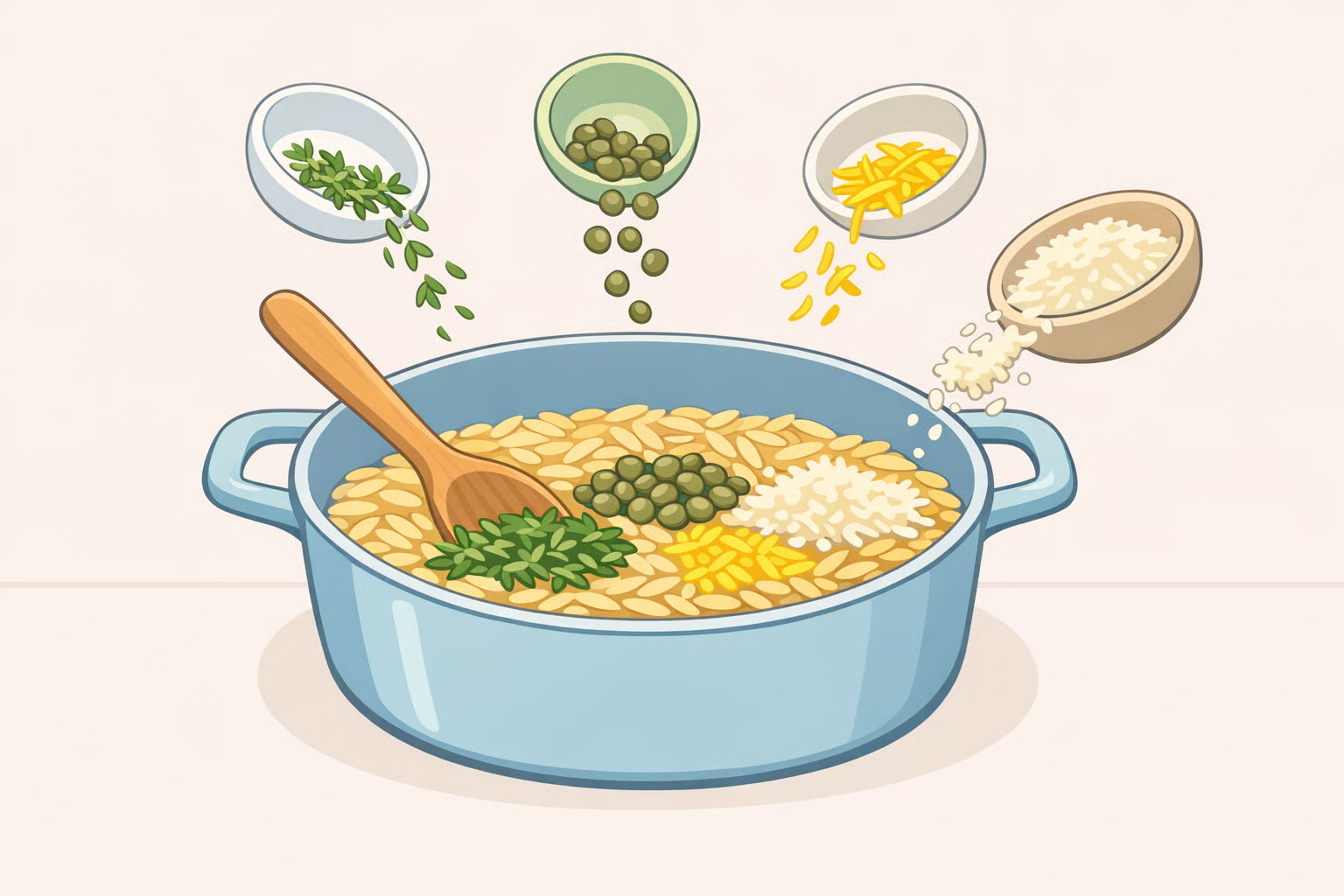
Fold the tomato-garlic mixture back into the orzo. Add the thyme, capers, pine nuts, Parmesan, and lemon zest. Stir until evenly distributed. Taste, then season with salt and pepper (Serious Eats).
The finished dish should be loose and cohesive, scoopable with a spoon. If the texture is tighter than that, a small drizzle of olive oil loosens it without affecting the flavor. Lemon zest and capers should be visible throughout; if they've disappeared into the mix, add a bit more of each.
The reason to add the thyme, zest, and capers off the heat rather than earlier is that those ingredients are fragile. Sustained heat flattens their brightness. Adding them after the burners are off keeps them sharp and distinct in the finished dish rather than faded into the background.
If the orzo is wet, tight, bland, or sharp
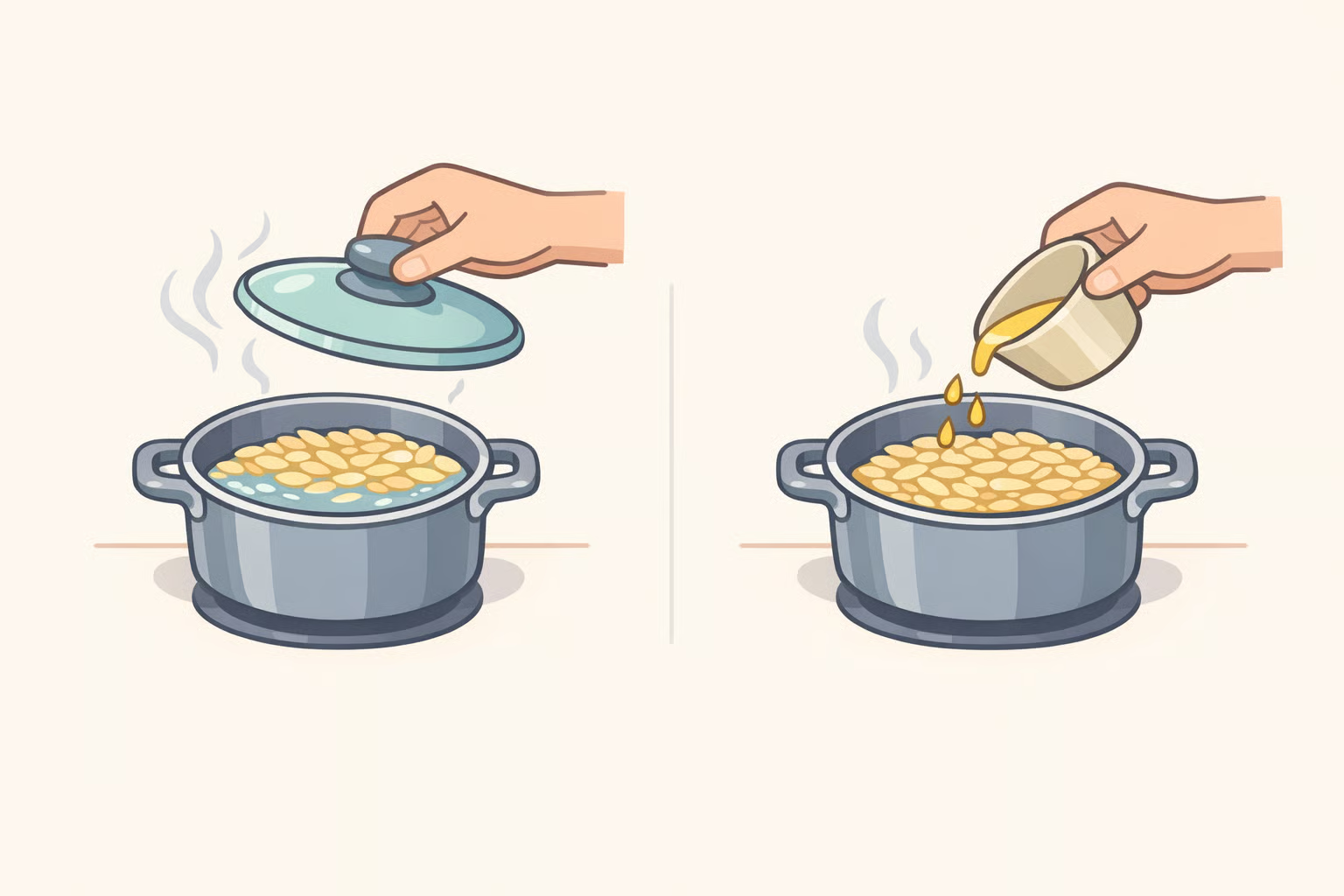
Even at 20 minutes, things can go sideways. Here's how to correct course:
Too wet: Leave the lid off and let the skillet sit over low heat for 30 to 60 seconds, stirring once or twice. The excess liquid will cook off quickly.
Too dry or clumped: Add stock one tablespoon at a time, stirring between each addition, until the texture loosens to something scoopable. Warm stock works faster than cold.
Too flat: The dish has a lot of components, and occasionally one doesn't pull its weight. If the whole thing tastes dull, the fix is usually more lemon zest rather than more salt. Add zest first, taste, then decide if salt is actually needed.
Too sharp or acidic: More Parmesan smooths this out. A small drizzle of olive oil helps too. The capers and tomatoes are the usual culprits when the dish tilts too tart; the fat from cheese or oil brings it back into balance.
Garlic browned too fast in step 1: If this happened, start the tomato base over. Burned garlic doesn't mellow out; it gets sharper as the dish sits. It's a two-minute fix that's worth doing.
What the dish delivers, and how it holds up
Per serving: 257 calories, 10g fat, 32g carbohydrates, 10g protein, 3g fiber, and 6g sugar (Serious Eats). The protein and fiber together are what make this feel like a complete meal. Each serving also delivers about 89% of the recommended daily value for vitamin C, largely from the tomatoes and lemon zest, plus 11% of the daily value for both iron and potassium (Serious Eats). That's not the reason to make it, but it's a reasonable reminder that ingredients with clear flavor roles often carry nutritional weight simultaneously.
Leftovers keep well covered in the refrigerator. To reheat, add a small splash of water or stock before warming; the orzo firms up as it cools and needs a little liquid to come back to the right consistency. The lemon and capers soften slightly overnight, which rounds out the dish in a different way. Making a full batch and eating half the next day is a reasonable plan.
The structural logic of this recipe, soften aromatics first, cook the grain in seasoned liquid, add bright finishers off the heat, is a sequence that applies to other quick skillet pasta dishes. But that's a separate question. Right now, the tomatoes need 3 minutes and the orzo needs 7.